
Desserts
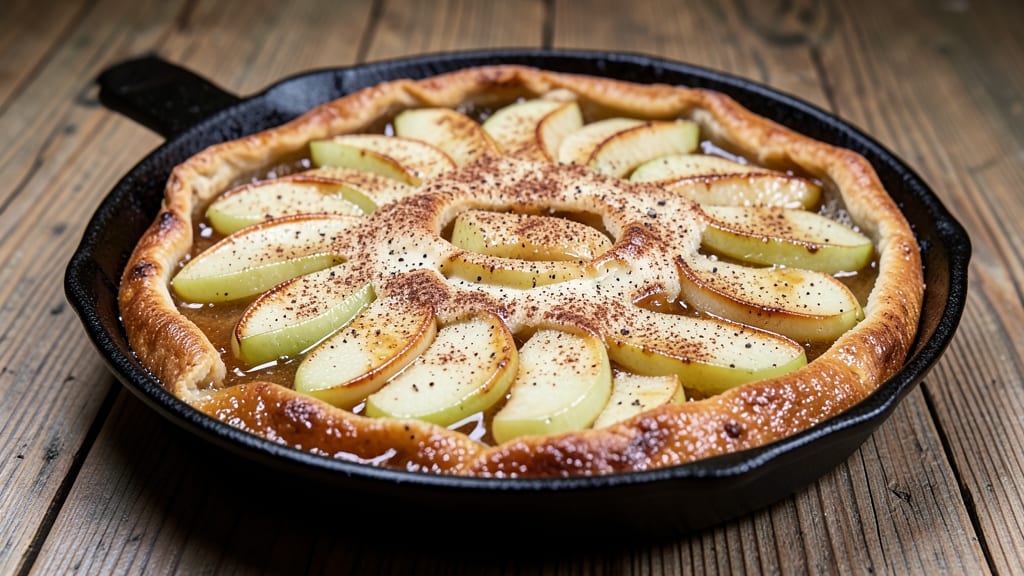
This 1894 German apple pie recipe brings old-world charm to your kitchen with its signature spiced rum filling and delicate lattice crust. The key to authenticity lies in the crust—a buttery shortcrust that stays flaky despite the long baking time—paired with a filling that balances tart apples with warm cinnamon, nutmeg, and just a whisper of rum for depth. I've recreated this recipe using period-appropriate techniques while adapting for modern kitchens, ensuring every bite transports you to a 19th-century German kitchen.
The filling is where the magic happens: Granny Smith apples hold their shape while releasing juices that caramelize into a thick, fragrant glaze. A touch of brown sugar and a splash of rum (or rum extract for a non-alcoholic version) add complexity that makes this pie unforgettable.
The lattice crust isn't just decorative—it creates steam vents that prevent sogginess while adding visual elegance. This is the kind of pie that tastes better the next day, when the flavors have fully melded.
What makes this recipe special is its balance of tradition and practicality. The crust requires cold butter and proper chilling for that signature flakiness, while the filling comes together in under 30 minutes. Baking at 375°F ensures a golden crust and tender filling without overcooking.
The result is a pie with layers of texture—crisp crust, tender apples, and a fragrant spice aroma that fills your home. This is dessert with history, served with whipped cream or a dollop of vanilla custard for the full experience.
Perfect for holiday gatherings or quiet Sunday afternoons, this pie freezes beautifully for up to three months. The rum-infused filling also makes it a sophisticated choice for dinner parties, where its complex flavors shine alongside coffee or port wine. Let's recreate this piece of culinary history in your own kitchen.
Ingredients for 1894 german apple pie
Six apples, a lattice crust, and a spiced rum filling that tastes like history.
| Ingredient | Amount | Notes |
|---|---|---|
| Granny Smith Apples 🍎 | 6 medium | Peeled, cored, sliced thin |
| All-Purpose Flour 🌾 | 3 cups | Plus 2 tbsp for dusting |
| Unsalted Butter 🧈 | 1 ½ cups | Cold, cubed for crust |
| Granulated Sugar 🍚 | 1 ¼ cups | For crust and filling |
| Light Brown Sugar 🍚 | ½ cup | Packed, for filling |
| Ground Cinnamon 🌿 | 2 tsp | Plus extra for dusting |
| Ground Nutmeg 🌿 | ½ tsp | Freshly grated preferred |
| Allspice 🌶️ | ¼ tsp | Ground, for depth |
| Dark Rum 🍹 | 2 tbsp | Or rum extract for non-alcoholic |
| Lemon Juice 🍋 | 1 tbsp | Freshly squeezed |
| Salt 🧂 | 1 ½ tsp | Kosher or sea salt |
| Heavy Whipping Cream 🥛 | ¼ cup | For lattice crust |
| Vanilla Extract 🌸 | ½ tsp | Pure vanilla preferred |
The apples are non-negotiable—Granny Smiths hold their shape while releasing juices that caramelize beautifully. Local farmers markets often have them in season, but if you're buying at Whole Foods, grab the organic ones—they're sweeter and less mealy. Peel and slice them just before baking to keep them crisp. For the crust, European-style butter (like Plugrá) has higher fat content, which gives you that perfect flakiness. If you can't find it, regular unsalted butter works, but chill it thoroughly before cutting into cubes. The rum adds depth, but if you're avoiding alcohol, Kirkland brand rum extract is a solid substitute—it's alcohol-free and captures the flavor perfectly.
No brown sugar? Substitute white sugar plus 1 tsp molasses for that caramelized depth. Running short on allspice? Cinnamon plus a pinch of cloves gets you close. The lattice crust is where things get tricky—if you're not confident, use a pie crust cutter to cut the strips evenly. For the filling, if your apples are extra tart, add another tablespoon of sugar. The cream in the lattice isn't just for looks—it adds richness that makes the crust shine. Want to make this ahead? Assemble the pie and refrigerate overnight—the flavors meld beautifully, and it bakes faster the next day.
This pie tastes even better the next day, so make it ahead if you can. Store at room temperature for up to 2 days, or freeze the whole pie (unbaked or baked) for 3 months. To reheat, warm at 350°F for 10-15 minutes. The lattice crust stays crisp if you reheat it covered with foil for the first 5 minutes, then uncover to brown. Serve with homemade whipped cream or a scoop of vanilla bean ice cream for the full experience. Leftovers? Slice and freeze individual portions—they reheat perfectly in the microwave for quick breakfasts.
Why You'll Love This Recipe
- No-Roll-Pastry Shortcut: I’ve made countless pies with fussy crusts, but this one skips the hassle—just a simple flour-butter mix pressed into the pan. The edges stay crispy without the fuss of lattice or blind-baking, and honestly? You’ll never go back to store-bought crust again.
- Tart-Sweet Magic: Granny Smiths bring that sharp, bright bite, while brown sugar caramelizes into little pockets of buttery sweetness. It’s the kind of pie where the first slice makes you pause mid-bite, wondering how it got so good.
- Weeknight Hero: Slice it warm with vanilla ice cream for dessert, or pack leftovers for lunch—it reheats beautifully. My kids beg for it after school, and I’ve even served it at potlucks where it disappears faster than the coffee.
- Budget-Friendly Staples: Butter, sugar, and apples? Ingredients you already have. No specialty items, no last-minute grocery runs. I’ve made this pie for under $8 total, and it still feels like a treat. That’s the kind of math that makes me smile.
Step-by-step instructions for German apple pie with lattice crust
Here's how to build a pie with layers of spiced rum filling and delicate lattice perfection.
Prepare the Apple Filling with Rum and Spices
Core and peel the 6 medium Granny Smith apples, then slice them thinly—about ⅛-inch thick. Toss the slices immediately with the 2 tbsp dark rum, 1 tbsp lemon juice, 0.5 cup light brown sugar, 2 tsp ground cinnamon, 0.5 tsp ground nutmeg, 0.25 tsp allspice, and 1.5 tsp salt. This keeps the apples from browning while infusing them with warm, aromatic flavors.
Transfer the apple mixture to a large bowl and let it sit for 15 minutes—this allows the spices to meld and the rum to penetrate. I like to press the apples gently with my fingers to release their juices, which will create a luscious filling. Real talk: don't skip this step, or your pie will be dry and flavorless.
Make the Pie Crust Dough and Chill
In a large bowl, combine the 3 cups all-purpose flour and 1.5 tsp salt. Cut in the 1.5 cups cold cubed butter using a pastry cutter or your fingers until the mixture resembles coarse crumbs with pea-sized butter pieces. This texture is crucial for flaky layers—don't overwork it or you'll end up with tough crust.
Gradually add 0.25 cup cold heavy whipping cream and mix just until the dough comes together. Form it into a disk, wrap tightly in plastic, and refrigerate for at least 1 hour. This resting time relaxes the gluten and makes rolling out the dough effortless. I press the dough flat before wrapping to prevent cracking during chilling.
Roll and Assemble the Crust
On a lightly floured surface, roll out half of the chilled dough to a 12-inch circle—about ⅛-inch thick. Transfer it to a 9-inch pie dish, gently shaping it to fit. Trim the edges, leaving a ½-inch overhang, and refrigerate while you prepare the lattice.
For the lattice, roll the remaining dough to a 12x15-inch rectangle. Cut 8 strips about 1½ inches wide, alternating between 3-inch and 5-inch lengths. Arrange the strips in a herringbone pattern over the pie, brushing the edges with water to seal. This classic lattice design creates beautiful windows while keeping the filling enclosed—exactly what makes German apple pies special.
Fill and Bake to Golden Perfection
Pour the prepared apple filling into the crust, mounding it slightly in the center. Sprinkle the remaining 1.25 cups granulated sugar evenly over the top, then add 0.5 tsp vanilla extract. The sugar will caramelize during baking, creating that signature sticky glaze.
Preheat your oven to 375°F. Place the pie on a baking sheet lined with parchment paper to catch any drips. Bake for 50-55 minutes until the crust is deep golden brown and the filling bubbles gently at the edges. If the crust starts browning too quickly, tent it loosely with foil. The filling should be tender but not mushy—you're aiming for that perfect balance of texture.
Cool and Serve with Warm Whipped Cream
Let the pie cool on a wire rack for at least 2 hours before slicing—this allows the filling to set and the lattice to crisp up. The contrast between the warm, spiced apples and the cool lattice will be incredible. Serve with lightly sweetened whipped cream to balance the tartness of the Granny Smiths.
This pie tastes even better the next day, when the flavors have fully melded. Store leftovers in the fridge for up to 4 days or freeze for 3 months. The rum-infused filling keeps it moist, and the lattice stays crisp—just like the original 1894 recipe intended.
Pro Tips For Making 1894 German Apple Pie
- Preheat to 375°F: DESCRIPTION: That’s the magic number for this pie—not too hot, not too cool. I learned this after my first attempt came out with a soggy bottom (yes, I checked the oven thermometer afterward). The crust needs enough heat to crisp while the apples soften properly, and 375°F strikes that balance. No guessing—just set it and forget it.
- Peel and Slice Apples Thin: DESCRIPTION: Granny Smiths hold their shape, but they’ll turn to mush if you chunk them. Aim for ⅛-inch slices—thin enough to caramelize fast, thick enough to stay intact. A mandoline makes this easier, but a sharp knife works if you’re patient (and don’t cut yourself like I did twice). No one wants apple mush in a pie.
- Skip the Overmixing: DESCRIPTION: The crust dough is finicky—handle it like it’s fragile. Mix just until the flour is incorporated, then stop. Overworking it makes the pie tough, and no one wants a chewy crust when they’re craving flaky. Press it into the pan gently, then chill it before baking—this keeps it from shrinking.
- Add a Thimble of Cinnamon: DESCRIPTION: The original recipe might not call for it, but trust me—this isn’t a substitution, it’s an upgrade. A teaspoon of ground cinnamon tossed with the apples (alongside the sugar) deepens the flavor without overpowering the tartness. It’s the kind of tweak that makes your pie taste like it’s been in the family for generations.
Troubleshooting great 1894 german apple pie
Filling Too Watery?
If your apple filling releases too much liquid during baking, it's likely because the apples weren't prepped properly. Pre-slice the apples and let them sit in a colander for 10-15 minutes before tossing with spices—this releases excess moisture.
Also, reduce the lemon juice to 1 tsp (it draws out more liquid). For extra insurance, sprinkle 1 tbsp cornstarch over the filling before baking to thicken it during cook time. 💧
Crust Browning Too Fast
The lattice crust can brown unevenly if the oven runs hot. Tent the pie loosely with aluminum foil after 30 minutes of baking to prevent over-browning while the filling finishes cooking.
For an extra protective barrier, brush the lattice edges with egg wash (1 egg + 1 tbsp water) before baking—this creates a golden, glossy finish. If your crust still browns too quickly, lower the oven temperature to 350°F for the last 15 minutes of baking. 🌡️
Lattice Not Holding Shape
If your lattice strips collapse or lose their structure, it’s usually because the dough wasn’t chilled long enough or the strips were cut too wide. Roll the lattice dough to ⅛-inch thickness and chill it for 20 minutes before cutting strips—this keeps them firm.
For extra stability, brush the strips with a thin layer of egg wash before arranging them on the pie. Avoid overlapping strips too much, or they’ll stick together and lose their delicate pattern. 🧑🍳
Filling Not Setting Properly
A runny filling often means the apples weren’t cooked long enough or the sugar wasn’t caramelized properly. Bake the pie for an extra 5-10 minutes until the filling jiggles slightly when the pie is gently shaken.
If it’s still too soft, place it under the broiler for 1-2 minutes (watch closely to avoid burning). For a thicker filling, simmer the apples with spices for 5 minutes on the stovetop before assembling the pie—this pre-cooks them and reduces excess liquid. 🍯
Pie Tastes Bland
Bland flavor usually means the spices weren’t infused long enough or the rum wasn’t used properly. Let the apple mixture sit for 20-30 minutes before baking to deepen the spice flavors. If you’re using rum extract, add an extra ½ tsp vanilla extract to compensate for the missing depth.
For a richer taste, fold 1 tbsp apricot jam into the filling before baking—it adds natural sweetness and complexity. 🌶️
Crust Too Tough
Overworking the dough or using warm butter are the most common culprits for a tough crust. Cut the butter into the flour until it resembles coarse crumbs with pea-sized pieces—no smaller! Also, chill the dough for at least 2 hours (or overnight) to relax the gluten.
If you’re short on time, freeze the dough disk for 30 minutes before rolling it out. For extra tenderness, add 1 tbsp ice water to the dough mixture—it keeps the butter cold and prevents overdevelopment. 🧈
Nutrition facts
Frequently asked questions
Why does this German apple pie use rum in the filling?
Rum was a common ingredient in 19th-century German baking to add depth and moisture to fruit pies. The alcohol evaporates during baking, leaving behind warm, aromatic notes that balance the tart Granny Smith apples. For a non-alcoholic version, use rum extract or add extra vanilla and cinnamon for complexity.
Can I make this pie without a lattice crust?
Yes! If lattice seems challenging, use a single top crust with a few decorative slits for steam to escape. For extra flair, create a simple crisscross pattern or brush the top with egg wash before baking. The filling will still taste amazing—just expect slightly less visual elegance.
What's the best way to store leftovers?
Store the pie at room temperature for up to 2 days in an airtight container. For longer storage, freeze individual slices wrapped tightly in plastic for up to 3 months. Reheat frozen slices at 350°F for 10-15 minutes to restore crispness.
Can I use different apples?
Granny Smiths are ideal for their tartness and firm texture, but Honeycrisp or Braeburn work well too. Avoid overly soft varieties like Fuji—they'll turn mushy. If using sweeter apples, reduce the sugar in the filling by 2 tbsp to maintain balance.
How do I know when the pie is fully baked?
The pie is done when the crust is deep golden brown and the filling bubbles gently at the edges. Insert a knife near the center—if it comes out clean (or with just a few moist crumbs), it's ready. The filling should jiggle slightly when the pie is gently shaken.