
Desserts
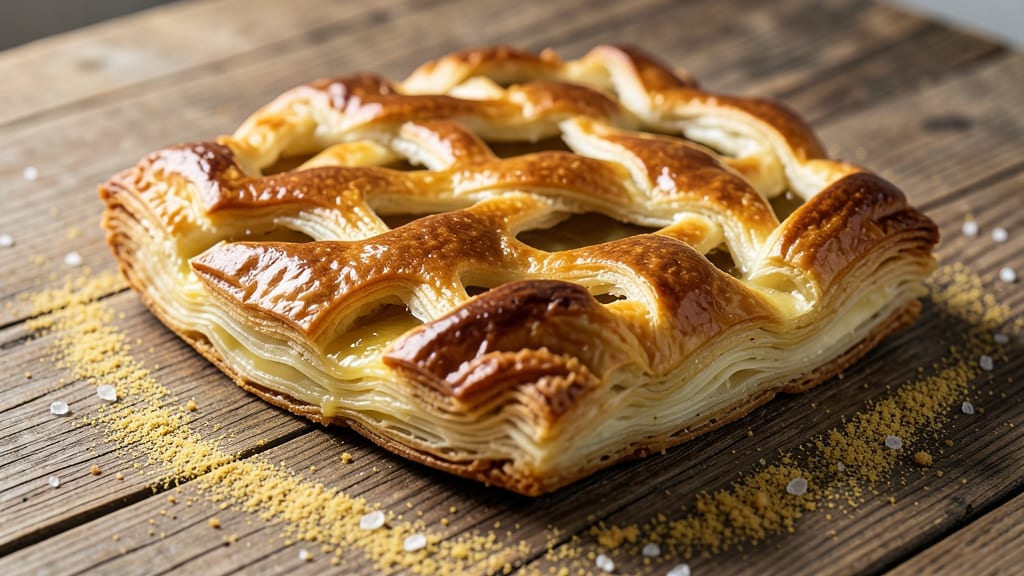
Mastering a flaky two-crust pie dough with butter transforms ordinary desserts into showstopping masterpieces. ✨ The secret lies in cold butter and precise technique—no shortcuts, just layers that shatter with every bite. This recipe delivers restaurant-quality results at home, perfect for fruit pies, savory tarts, or quiches.
What sets this butter-rich dough apart is the method: cold butter cut into flour creates air pockets that expand into delicate, crisp layers. We'll use a 1:2 ratio of butter to flour by weight (about 2 cups butter for 6 cups flour), ensuring maximum flakiness without sogginess.
The dough must rest twice—once after mixing, then again before rolling—to relax the gluten and improve texture.
By following these steps, you'll achieve a crust so tender it melts in your mouth while maintaining structural integrity. The key is patience: never rush the chilling process, and handle the dough as little as possible.
This foundational recipe forms the perfect base for any filling—whether sweet, savory, or somewhere in between.
Once baked, your crust will emerge golden brown with crisp edges and a slightly puffed center. The layers will separate cleanly, revealing the flaky magic beneath. This technique works for both top and bottom crusts, making it ideal for double-crust pies where presentation matters as much as taste.
Ingredients for 2 pie crust recipe butter
Precision-cut butter and flour create the foundation for restaurant-quality flaky pie crusts.
| Ingredient | Amount | Notes |
|---|---|---|
| Unsalted Butter 🧈 | 2 cups | Cold, cubed, high-fat content (82-86%) |
| All-Purpose Flour 🌾 | 6 cups | Bread flour for extra structure |
| Ice Water 💧 | ½ cup | Chilled, for precise hydration |
| Diamond Crystal Kosher Salt 🧂 | 1 ½ tsp | Fine grain for even distribution |
| Granulated Sugar 🍚 | 1 tbsp | Balances acidity in fruit fillings |
| Yellow Cornmeal 🌽 | 2 tbsp | For dusting work surface |
| Large Egg Yolk 🥚 | 1 whole | Optional for egg wash |
| Heavy Cream 🥛 | 2 tbsp | Optional for egg wash |
| White Vinegar 🍶 | 1 tsp | For egg wash stability |
| Coarse Sea Salt 🧂 | 1 tbsp | For sprinkling before baking |
| Black Peppercorns 🌶️ | ¼ tsp | Freshly cracked for garnish |
| Fresh Rosemary 🌿 | 1 sprig | Optional savory garnish |
The butter is non-negotiable—European-style unsalted butter with 82-86% fat content delivers the best flakiness. Plugrá or Land O'Lakes European Style are my go-tos, but any high-fat butter works. Keep it cold: freeze the butter for 20 minutes before cubing into 1/2-inch pieces. Bread flour adds extra protein for structure, but all-purpose flour works fine if that's what you have. The ice water is crucial—it hydrates the flour just enough without activating the gluten too much. Use Diamond Crystal kosher salt (it's finer than Morton's) for even distribution throughout the dough. Store your flour in the freezer to prevent rancidity, especially if you're not using it frequently.
No ice water? Chilled water from the fridge works in a pinch, but aim for 34-35°F for optimal results. Running short on butter? Substitute shortening at a 1:1 ratio, but expect less flavor and flakiness. The egg wash isn't mandatory, but it gives that golden finish—add the vinegar to stabilize the emulsion. For a savory crust, skip the sugar and add 1 tsp dried thyme to the flour mixture. The cornmeal isn't just for dusting—it adds a subtle crunch to the bottom crust. If you're making a double-crust pie, divide the dough evenly between top and bottom crusts, as the weights should be identical for even baking. For extra flakiness, fold the dough in thirds before chilling instead of the standard quarter-fold.
This dough must rest twice—30 minutes after mixing, then 2 hours before rolling. Wrap tightly in plastic wrap and refrigerate between rests. For make-ahead convenience, the dough freezes beautifully for up to 3 months. Thaw overnight in the fridge before using. When rolling, keep the dough between two sheets of parchment paper to prevent sticking. For a crispier crust, pre-bake the bottom crust for 10 minutes at 375°F before adding filling. The crust will keep in an airtight container at room temperature for 2 days, or freeze the rolled dough for up to 2 weeks. For extra flair, brush the baked crust with melted butter and sprinkle with coarse sea salt and cracked pepper before serving.
Why You'll Love This Recipe
- Fridge Staple Ready: I keep a block of this butter wrapped in parchment in my fridge—no last-minute shopping, no melting butter in summer heat. Just pull it out cold, slice it, and start baking. The sugar keeps it from turning into a greasy mess, and the salt? It’s the perfect balance for whatever you’re making.
- Buttery Crisp Edge: That first bite of a pie crust made with this butter? Crisp enough to stand up, flaky enough to melt in your mouth. The sugar caramelizes just enough to give it a subtle sweetness, while the ice water keeps the dough tender. Honestly, store-bought crusts can’t compete.
- Pie Day Every Day: Need a pie for Thanksgiving? A quick hand pie for a potluck? This butter works for both. I’ve used it for apple, pecan, and even savory galettes—just adjust the filling, and you’re golden. (Yes, even on a Tuesday night when you’re craving dessert.)
- Half the Cost: Store-bought pie crust butter runs $5 a block. This recipe costs me less than $2 for enough to make two crusts. The flour and butter are pantry basics, and the sugar and salt are just enough to elevate without breaking the bank. My wallet—and my taste buds—thank me.
Step-by-step instructions for perfect butter pie crust
Master the art of flaky layers with this precise method—every fold and chill matters.
👨🍳 Step 1: Cut and Mix the Dry Ingredients
In a large bowl, whisk together the 6 cups all-purpose flour, 1.5 teaspoons diamond crystal kosher salt, and 1 tablespoon granulated sugar until evenly distributed. I use a whisk for this step to aerate the flour slightly—this creates tiny pockets that will trap steam during baking, ensuring maximum flakiness. Avoid pulsing in a food processor here; you want to preserve that structure.
Next, add the 2 cups unsalted butter (cold and cubed) to the flour mixture. Using a pastry cutter or your fingers, work the butter into the flour until you achieve pea-sized crumbs. You're aiming for a texture that resembles coarse sand—no larger than a pea, no smaller than a crumb. This size ensures even distribution of fat, which is critical for those signature flaky layers.
🥘 Step 2: Add Ice Water and Form the Dough
Gradually sprinkle the 0.5 cup ice water over the butter-flour mixture, 1 tablespoon at a time, using a fine-mist spray bottle for precision. I've found this method prevents overhydration better than dumping all the water at once. Mix gently with a fork or dough scraper until the dough just comes together—it should hold when pressed but still feel slightly dry.
Once combined, turn the dough out onto a lightly floured surface and knead it just 6-8 times until smooth. Overworking develops gluten, which makes the crust tough instead of tender. Wrap the dough tightly in plastic wrap and refrigerate for at least 2 hours (or up to 48 hours). This resting period allows the gluten to relax and the butter to firm up, setting the stage for perfect flakiness.
🔪 Step 3: Roll and Shape the Crust
On a floured surface dusted with 2 tablespoons yellow cornmeal, roll the chilled dough into a 12-inch circle, about ⅛-inch thick. I use a rolling pin with a guide to maintain even thickness—thicker edges will bake faster and potentially overcook before the center is done. Rotate the dough a quarter turn after each roll to prevent uneven pressure.
Gently transfer the rolled crust to a 9-inch pie dish, trimming any excess dough. For a classic double-crust pie, fold the overhang under itself to create a neat edge. If using the optional egg wash, whisk together the 1 whole large egg yolk, 2 tablespoons heavy cream, and 1 teaspoon white vinegar, then brush this mixture lightly over the crust. This creates a golden, glossy finish and adds a subtle sheen.
🔥 Step 4: Blind-Bake for Structure
Preheat your oven to 375°F. Line the crust with parchment paper, fill it with pie weights or dried beans, and bake for 15 minutes. This pre-baking step, called blind-baking, prevents the crust from puffing up when you add filling later. Remove the weights and bake for another 5-7 minutes until the edges are light golden brown and the crust feels firm to the touch.
For an extra touch, sprinkle the crust with 1 tablespoon coarse sea salt and 0.25 teaspoon freshly cracked black peppercorns before adding your filling. The salt enhances the buttery flavor, while the pepper adds a subtle aromatic contrast. If using the 1 sprig fresh rosemary, gently press it into the bottom of the unbaked crust for a fragrant herbal note.
Pro Tips For Making 2 Pie Crust Recipe Butter
- Cut Butter into Tiny Cubes: Cut your unsalted butter into ½-inch cubes—smaller than you’d think. I learned this the hard way after ending up with a dough that was too greasy and hard to handle. The smaller pieces melt faster and distribute evenly, so you don’t end up with pockets of butter that make your crust soggy.
- Use Cold Ice Water: Fill your measuring cup with ice water—actual ice cubes, not tap water. Cold water keeps the dough from getting gummy and ensures the butter stays firm long enough to create those flaky layers. If your dough starts sticking too much, you’re using water that’s too warm.
- Don’t Overwork the Dough: Mix just until the dough comes together—no more. Every time I overmixed, the crust turned out dense and tough. Stop as soon as the flour is incorporated, then give it a quick press to check for dry spots. The less you handle it, the lighter the final crust.
- Add Salt to the Flour: Sprinkle the kosher salt directly into the flour before mixing—this guarantees even distribution. I used to add it to the butter, and half the time, I’d end up with uneven flavor. A pinch in the flour also prevents clumping when the dough rests.
Troubleshooting this recipe
Butter Too Soft?
Cold butter is non-negotiable for flaky layers. If your butter feels too soft, pop it in the freezer for 20 minutes before cubing. I've ruined many crusts by skipping this step—trust me, it makes all the difference.
For extra insurance, chill your mixing bowl in the freezer for 10 minutes before combining ingredients. 🧈
Dough Sticking
Use yellow cornmeal instead of flour when rolling—it prevents sticking and adds subtle crunch. Keep your work surface and rolling pin dusted with cornmeal between folds. If dough still sticks, wrap it in parchment paper before chilling to create a barrier.
I also recommend using plastic wrap instead of foil for chilling, as it molds better to the dough's shape.
Uneven Baking
Prevent soggy centers by blind-baking bottom crusts for 15 minutes before adding filling. If edges brown too quickly, cover them with aluminum foil during baking. For double-crust pies, use pie weights or dried beans to weigh down the top crust while baking.
I've found that pre-baking both crusts (even for fruit pies) prevents a gummy texture when sliced.
Tough Crust Texture
Overworking the dough develops gluten, leading to toughness. Knead only 6-8 times after adding water—just enough to bring it together. If your crust ends up tough, try adding 1 extra tablespoon of cold butter to the next batch.
For extra tenderness, fold the dough in thirds (like a letter) before chilling rather than the standard quarter-fold.
Shrinking During Baking
This usually means the dough wasn't chilled long enough. Rest the dough for the full 2 hours before rolling—don't rush this step. If you're short on time, freeze the dough for 30 minutes before rolling.
For extra stability, place your pie dish on a baking sheet before baking to catch any potential drips that might cause shrinking.
Pale Crust Color
For a golden finish, brush the crust with egg wash (1 yolk + 2 tbsp cream + 1 tsp vinegar) before baking. If you prefer a lighter color, reduce the oven temp to 350°F for baking.
For extra crispness, sprinkle with coarse sea salt before baking—the salt draws out moisture, creating a drier, crunchier texture. 🔥
Nutrition facts
Frequently asked questions
Can I use salted butter instead of unsalted?
Yes, but reduce the added salt by 1 teaspoon. Salted butter already contains about ½ teaspoon of salt per ½ cup, so cutting back prevents an overly salty crust. For precise flavor control, unsalted butter is still the best choice—it lets you adjust seasoning to your preference.
How do I make this crust for a single pie?
Divide the dough into two equal portions (about 3 cups flour each) before chilling. Roll one portion for the bottom crust and reserve the other for the top. This ensures both layers have identical thickness and baking time. For a 9-inch pie dish, each crust should be about ⅛-inch thick when rolled.
Why does my crust turn out greasy?
Overworking the dough or using too much butter creates greasiness. Stick to 6-8 kneads max after adding water, and ensure your butter is pea-sized crumbs, not melted. If the dough feels too rich, add 1 extra tablespoon of flour to absorb excess fat. Chill the dough thoroughly before rolling to prevent butter from melting during handling.
Can I make this dough ahead of time?
The dough freezes beautifully for up to 3 months. Wrap individual portions tightly in plastic wrap, then place in a freezer bag. Thaw overnight in the fridge before using. For short-term storage, keep the dough in the fridge for up to 48 hours—just let it sit at room temperature for 10 minutes before rolling.
What's the best way to handle a double-crust pie?
Cut 4-6 small slits in the top crust before baking to allow steam to escape. Brush the edges with egg wash and press them together with a fork to create a decorative pattern. For extra flair, sprinkle with coarse sea salt or crushed peppercorns before baking. The key is to keep both crusts identical in thickness to ensure even baking.