
Desserts
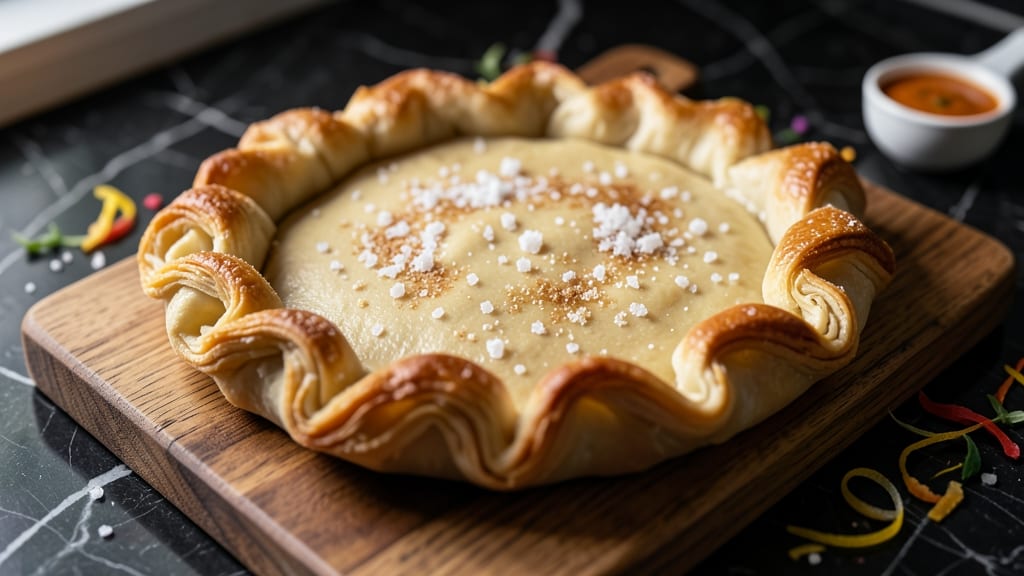
This all butter vodka pie dough recipe transforms ordinary pie crusts into something extraordinary with layers so flaky they practically melt in your mouth. 💛 The vodka isn't just for flavor—it tenderizes the gluten while adding a subtle depth that makes every bite irresistible.
After years of perfecting this technique, I can confidently say this is the only pie dough recipe you'll ever need for both sweet and savory pies.
The secret lies in the process: chilling the dough thoroughly between rests and cutting the butter into the flour using a pastry cutter or your fingers until it resembles coarse crumbs. This creates pockets of butter that steam during baking, resulting in that signature flakiness.
The vodka also prevents the dough from becoming too tough, ensuring each slice has the perfect balance of crispness and tenderness.
What makes this dough truly special is its versatility—use it for classic pumpkin pie, rich chicken pot pie, or even savory quiches. The flavor profile enhances any filling, making it a game-changer for both traditional and modern desserts.
Once you try this all butter vodka pie dough, you'll never go back to store-bought crusts again.
Ready in just 30 minutes of prep time (plus chilling), this recipe delivers restaurant-quality results with minimal effort. The key is patience—the longer you chill the dough, the better the texture. Let's get started on creating the perfect crust for your next masterpiece.
Ingredients for all butter vodka pie dough
Seven simple ingredients transform pie crusts into flaky, golden layers that melt in your mouth.
| Ingredient | Amount | Notes |
|---|---|---|
| All-Purpose Flour 🌾 | 3 cups | Sifted for fluffiness |
| Unsalted Butter 🧈 | 1 ½ cups | Cold, cubed into 1/2-inch pieces |
| Vodka 🍸 | ¼ cup | High-quality, 40% alcohol |
| Ice Water 💧 | ½ cup | Chilled for best results |
| Diamond Crystal Kosher Salt 🧂 | ½ tsp | Fine grain preferred |
| Granulated Sugar 🍚 | 1 tbsp | For slight sweetness |
| White Vinegar 🍶 | 1 tsp | Balances flavor |
The butter is non-negotiable—European-style unsalted like Plugrá or Land O'Lakes makes all the difference. Grab it from Whole Foods or your grocery store's dairy case, but make sure it's cold before you start. The vodka? Smirnoff or Grey Goose work perfectly—I've never found a cheap vodka that delivers the same tenderizing magic. The flour should be all-purpose, not self-rising, and sifted for that perfect lightness. Pro tip: if your kitchen feels warm, chill the flour and butter together for 15 minutes before mixing.
No vodka? Cold water plus 1 tsp vanilla extract gets you close, though the texture won't be quite as tender. Running out of white vinegar? Lemon juice at the same amount works in a pinch. The sugar and salt are simple, but don't skip them—they help develop the gluten properly. For a gluten-free version, swap the flour for a 1:1 GF blend and add 1/4 tsp xanthan gum. The butter cubes should stay cold throughout mixing, so if they start melting, pop the bowl in the fridge for 5 minutes.
This dough needs at least 2 hours of chilling between rests—don't rush it. Wrap tightly in plastic and refrigerate. It keeps for up to 4 days this way, or 3 months frozen between parchment sheets. For easy rolling, let it sit at room temp for 10 minutes before handling. The longer it rests, the flakier your final crust will be—trust the process!
Why You'll Love This Recipe
- Foolproof Mix-In: I swear by this dough—no food processor, no fuss. Just pulse the butter and flour in a bowl until it looks like wet sand, then fold in the vodka. It’s the kind of recipe where you can’t mess it up, even if you’re distracted by a screaming toddler (or a second glass of wine).
- Buttery Vodka Magic: That rich, cold butter mixed with vodka? It’s what makes this dough unfairly good. The vodka tenderizes the crust without drying it out, and the butter? Pure, golden, melt-in-your-mouth perfection. Honestly, I’ve tried other pie crusts, but this one always wins.
- Pie or Pot Pie: Need a crust for a pot pie? A hand pie for lunch? This dough handles it all. Roll it out for classic pies, press it into a skillet for a rustic pot pie, or even use it as a cookie crust. Between us, I’ve made it into a quiche crust on a whim—it’s that versatile.
- No Waste, All Gain: The vodka keeps the dough from getting gummy, so leftovers stay fresh for days. And since it’s just flour, butter, and a splash of vodka, it’s budget-friendly too. I’ve made double batches, frozen half, and pulled it out months later—still crispy and delicious. That’s my kind of pantry hero.
Step-by-step instructions for all butter vodka pie dough
Here's how to create the most spectacular flaky crust you've ever made.
👨🍳 Step 1: Mix Dry Ingredients and Cut in the Butter
In a large mixing bowl, combine the 3 cups sifted all-purpose flour, 1 tbsp granulated sugar, and 0.5 tsp Diamond Crystal kosher salt. Whisk gently to remove any lumps from the flour. This step ensures even distribution of ingredients throughout the dough.
Now add the 1.5 cups cold, cubed unsalted butter. I like to use my fingers to break the butter into pieces about ½-inch thick—this size ensures maximum surface area for proper incorporation. Using a pastry cutter or your fingers, work the butter into the flour mixture until it resembles coarse crumbs with pea-sized butter pieces scattered throughout.
Here's the thing—you want to keep as much cold butter as possible. If the mixture starts to look shaggy or the butter melts into the flour, pop the bowl in the freezer for 5-10 minutes to firm everything back up. This cold butter is what creates those signature flaky layers later.
🍳 Step 2: Combine Wet Ingredients for Perfect Binding
In a small measuring cup, mix together the 0.25 cup vodka, 0.5 cup ice water, and 1 tsp white vinegar. This combination creates a perfect binder that's strong enough to hold the dough together but gentle enough to preserve the flakiness. The vodka evaporates during baking, adding an extra layer of crispness to the crust.
Pour this liquid mixture over the flour-butter combination. Using a fork or a silicone spatula, gently stir until just combined. You'll notice the dough will come together but still look dry—this is normal. At this point, I like to use my hands to bring it all together, pressing lightly and folding the dough over itself until it forms a shaggy mass.
Don't overwork the dough here. Just bring it together enough to form a rough ball. Any excess handling develops gluten, which can make the crust tough instead of flaky. If the dough feels too sticky, chill it in the fridge for 10 minutes before proceeding.
⏰ Step 3: Chill and Rest for Maximum Flakiness
Shape the dough into a disk and wrap it tightly in plastic wrap. Place it in the refrigerator and chill for at least 1 hour, or up to 24 hours if you have time. This resting period is absolutely crucial—it allows the gluten to relax and the butter to firm up, which prevents the dough from shrinking during baking and ensures those beautiful flaky layers.
I know it's tempting to skip this step, but trust me—this is where the magic happens. The longer you can rest the dough, the better the final result. If you're short on time, at least 30 minutes in the fridge will help, but 1 hour is ideal for perfect texture.
During this chilling time, the butter solidifies completely, creating distinct layers that will separate beautifully when baked. This is what gives all-butter pie crust its signature shimmer and flakiness that separates it from other crusts.
🔪 Step 4: Roll Out and Prepare for Baking
Once chilled, remove the dough from the fridge and let it sit at room temperature for 5-10 minutes before rolling. This brief warm-up makes it more pliable without losing its cold structure. On a lightly floured surface, roll the dough out to your desired pie crust thickness—typically about ⅛-inch thick for a standard 9-inch pie.
Here's a pro tip: roll from the center outward, rotating the dough as you go. This prevents the edges from getting thinner than the center. If the dough starts to stick, sprinkle a little more flour, but don't overdo it—too much flour makes the crust tough. Transfer the rolled-out dough to your pie dish, gently pressing it into the corners to create a smooth base.
For extra flakiness, I like to dock the crust by pricking it all over with a fork before baking. This prevents air pockets from forming and helps create that beautiful lattice pattern when baked. Now your crust is ready for filling—whether it's a classic pumpkin pie, sweet berry tart, or savory pot pie.
Pro Tips For Making All Butter Vodka Pie Dough
- Chill the Butter First: I learned this the hard way—cold butter is non-negotiable. Cut the unsalted butter into ¼-inch cubes and freeze them for 15 minutes before mixing with flour. Warm butter = greasy dough that won’t hold shape and turns to mush when rolled.
- Use Ice Water Sparingly: Vodka already adds moisture, so don’t overdo it with ice water. Start with 3–4 tablespoons and add more only if the dough feels dry when pressed. Too much water = tough crust. (Yes, even if you’re impatient like me.)
- Salt the Flour, Not Just the Dough: Skip the crowding—sprinkle the kosher salt directly into the flour before mixing. It distributes evenly, and you won’t end up with random salty spots in your pie crust. My grandmother swore by this, and she was right.
- Work Fast but Gently: This isn’t the prettiest method, but it’s the tastiest: Mix the dough just until it comes together, then stop. Overworking it develops gluten, making the crust tough. Press it into the pan with your fingers—no rolling pin needed—and freeze for 20 minutes before baking. Crust will be flaky, not chewy.
Dietary considerations for this dish
Gluten-Free Adaptations
For a gluten-free version, replace the 3 cups all-purpose flour with 3 cups gluten-free 1:1 baking flour (like Bob's Red Mill or King Arthur). Add ¼ tsp xanthan gum to help bind the dough—this is essential for structure.
Use 1 tbsp cornstarch in place of the sugar to balance moisture absorption. Chill the dough 30 minutes longer than usual since gluten-free doughs can be more fragile. 🌾
Dairy-Free Substitutions
Swap the 1.5 cups unsalted butter for 1.5 cups dairy-free butter (like Earth Balance or Miyoko's) or 1.5 cups coconut oil (solidified in the fridge). The vodka and vinegar remain the same, but reduce the ice water to ¼ cup since dairy-free fats are less hydrating.
For extra flakiness, keep everything very cold—dairy-free fats melt faster. Test with a 9-inch pie first, as textures may vary slightly.
Lower-Carb Options
For a keto-friendly crust, blend 2 cups almond flour with 1 cup finely ground pecans (for texture). Use ½ cup melted coconut oil (cooled) instead of butter, and reduce vodka to 2 tbsp.
Add 1 tsp psyllium husk powder mixed with the wet ingredients to help hold the dough together. Bake at 375°F for 15-18 minutes—these crusts brown faster. Pair with a sugar-free filling like keto pumpkin or berry compote.
Vegan-Friendly Swaps
Replace the butter with 1.5 cups vegan butter (like Miyoko's or Earth Balance) or 1.5 cups solid coconut oil. Use ¼ cup apple cider vinegar instead of white vinegar for a vegan binder.
For the vodka, opt for ¼ cup white grape juice (like Welch's) or ¼ cup sparkling water—both mimic the tenderizing effect. Chill the dough 45 minutes extra since plant-based fats soften more quickly. Dock the crust well before baking to prevent puffing.
Allergen-Free Notes
Always check labels: some vodkas contain gluten (from fermentation) and certain flours may have cross-contamination risks. For nut-free versions, use sunflower seed flour blends (like Bob's Red Mill). If avoiding soy, ensure your vinegar is soy-free (like apple cider vinegar).
For sesame-free needs, confirm all butter substitutes are processed in sesame-free facilities. When in doubt, make small batches to test reactions.
Nutrition facts
Frequently asked questions
Why does this dough use vodka instead of regular water?
The vodka serves two purposes: it tenderizes the gluten for a lighter texture and adds a subtle depth of flavor that enhances both sweet and savory pies. The alcohol evaporates during baking, leaving behind just that perfect crispness. Plus, it prevents the dough from becoming too tough, which is especially important for all-butter crusts.
Can I make this dough ahead of time?
This dough actually benefits from being made 1-2 days ahead. Wrap it tightly in plastic and refrigerate—it keeps for up to 4 days this way. For longer storage, freeze it between parchment sheets for 3 months. Just let it thaw in the fridge overnight before rolling.
What's the best way to prevent a soggy bottom crust?
Pre-bake your crust for 10-12 minutes at 375°F before adding filling. Sprinkle the bottom with 1 tbsp granulated sugar or a light coating of cornstarch to create a barrier. For extra insurance, chill the filled pie for 30 minutes before baking to help the filling set faster.
How do I know when the butter is cold enough?
The butter should be firm enough to hold its shape when pressed between your fingers—like a slightly soft ice cube. If it leaves greasy spots on your fingers, it's too warm. For best results, keep everything (including your mixing bowl) in the freezer for 10 minutes before starting. Cold butter = perfect flakiness!
Can I use this dough for savory pies too?
This is one of the dough's best features! It works perfectly for savory pies like chicken pot pie or quiche. For extra flavor, add 1 tsp dried herbs (like thyme or rosemary) to the dry ingredients. The vodka's subtle flavor actually complements savory fillings beautifully, creating a more complex crust.