
Desserts
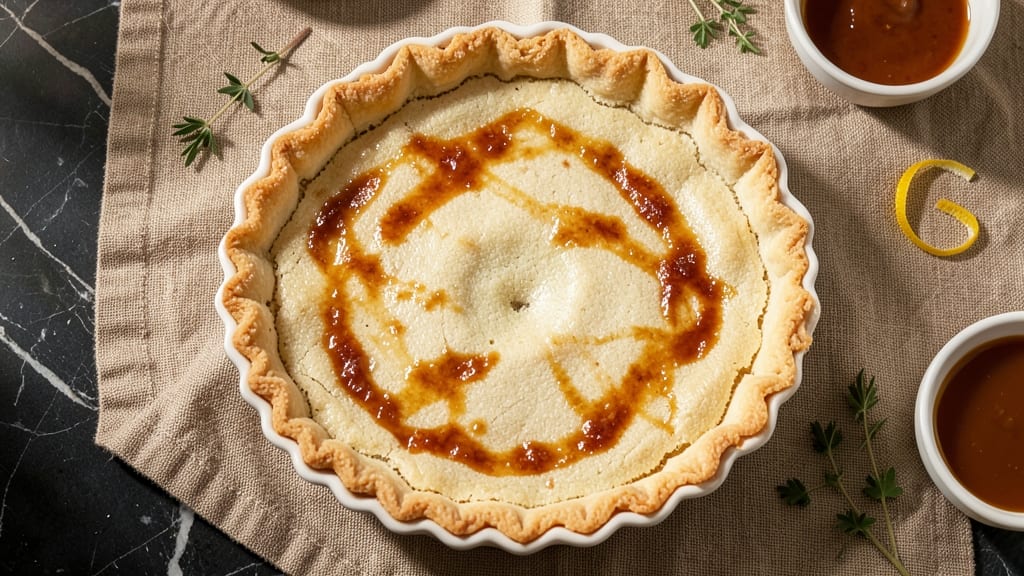
This almond flour butter pie crust recipe delivers the perfect balance of nutty richness and crispy texture without overbaking. Unlike traditional flour crusts, it stays firm under fruit fillings while adding a delicate crunch that complements any dessert.
The secret lies in proper chilling and gentle handling—techniques that prevent cracking and ensure even baking.
The beauty of almond flour lies in its natural fat content, which eliminates the need for excessive butter while creating a tender yet sturdy crust. We'll use cold butter cut into small pieces to distribute evenly, ensuring flaky layers without sogginess.
This method works beautifully for both blind-baked crusts and filled pies, offering versatility for any recipe.
What sets this crust apart is its ability to hold shape under wet fillings while maintaining a satisfying crunch. The almond flour adds a subtle sweetness that pairs perfectly with tart berries or rich custards, creating a flavor profile that's both elegant and approachable.
Once baked, it stays crisp at room temperature, making it ideal for make-ahead desserts.
For dietary flexibility, simply substitute dairy butter with a plant-based alternative like coconut oil or vegan butter—just be mindful of melt points during rolling. The recipe scales easily for larger pies, and the same technique works for tarts and galettes. Let's create a crust that elevates every dessert it supports.
Ingredients for almond flour pie crust recipe with butter
Six key ingredients create a nutty, crisp pie crust that stays firm under fillings.
| Ingredient | Amount | Notes |
|---|---|---|
| Almond Flour 🌰 | 2 cups | Blanched or unblanched, finely ground |
| Unsalted Butter 🧈 | 1 cup | Cold, cut into small cubes |
| Granulated Sugar 🍚 | ¼ cup | For subtle sweetness balance |
| Large Egg 🥚 | 1 whole | Room temperature for blending |
| Vanilla Extract 🌿 | 1 tsp | Pure, high-quality extract |
| Salt 🧂 | ½ tsp | Fine sea salt preferred |
| Ice Water 💧 | 2 tbsp | For dough consistency |
| All-Purpose Flour 🌾 | ¼ cup | For structural reinforcement |
| Powdered Sugar 🍚 | 2 tbsp | For final dusting |
Almond flour is the foundation—Bob's Red Mill or Anthony's Goods brands provide the finest grind for optimal texture. The flour must be finely ground; any grittiness will disrupt the delicate crumb. Store it in an airtight container away from heat to prevent rancidity. For best results, use freshly ground almond flour if possible, as pre-ground varieties can lose freshness quickly. The butter should be cold and cubed—this ensures proper layering during baking. If your kitchen gets warm, chill the butter for 15 minutes before using.
No almond flour? Substitute with a 1:1 ratio of oat flour or finely ground walnuts, though texture will differ slightly. For dairy-free options, replace butter with cold coconut oil or vegan butter, but reduce by 1 tbsp to account for coconut oil's moisture content. The egg acts as a binder—if you prefer an egg-free version, add 1 tbsp ground flaxseed mixed with 3 tbsp water as a substitute. All-purpose flour is optional but helps prevent cracking in humid environments. If your dough feels too dry, add ice water 1 tbsp at a time until it just holds together when pressed.
This crust must rest for at least 1 hour before rolling to prevent shrinking. Wrap tightly in plastic and refrigerate for up to 2 days or freeze for 3 months for make-ahead convenience. After baking, store at room temperature in an airtight container for 3 days—it stays crisp best when kept cool. For blind baking, use pie weights or dried beans to prevent puffing. The crust can be reheated briefly in a 350°F oven to restore crispness before serving.
Why You'll Love This Recipe
- No-Fuss Assembly: I swear by this crust—just pulse almond flour, cold butter, and sugar in a food processor until it almost holds together. Add the egg and vanilla, press it into a pan, and bake. That’s it. No rolling pins, no stress.
- Buttery Almond Magic: The butter melts into the almond flour like it’s been friends forever, creating this delicate crunch with a whisper of sweetness. Honestly, it’s the kind of crust that makes you forget it’s “low-carb” because it just tastes right.
- Pie for Any Occasion: Use it for a classic apple pie, a rich chocolate tart, or even as a cookie crust. The neutral flavor soaks up fillings beautifully, so it’s my go-to for holidays, potlucks, or lazy Sundays when I’m craving something special.
- Budget-Friendly Luxury: Almond flour might seem pricey, but a little goes a long way—this recipe uses just a cup, and the butter stretches it further than you’d think. Plus, leftovers? Crumble them into yogurt or oatmeal for a protein boost. Versatile and sneaky smart.
Step-by-step instructions for almond flour butter pie crust
This butter-rich crust delivers nutty flavor and perfect texture—no overbaking required.
Mix Dry Ingredients Thoroughly
In a large bowl, combine the 2 cups almond flour, 0.25 cup granulated sugar, 0.5 tsp salt, and 0.25 cup all-purpose flour. Whisk until completely homogeneous—no flour pockets should remain. The almond flour needs to be evenly distributed to prevent a grainy texture in your crust.
I like to press the mixture through a fine-mesh sieve into the bowl first to break up any clumps. This ensures maximum surface area for the butter to coat, which is crucial for achieving that tender yet sturdy texture. The sugar and salt dissolve into the almond flour at this stage, creating a uniform flavor base.
Cut in Cold Butter Until Crumbly
Add the 1 cup cold, cubed unsalted butter to the dry mixture. Using a pastry cutter or your fingers, work the butter into the almond flour until the mixture resembles coarse crumbs with pea-sized butter pieces remaining. This process is called "cutting in," and it's essential for creating flaky layers in your crust.
Don't overwork the mixture—just until the butter is evenly distributed. If you press the dough together, it should hold its shape but still feel cool to the touch. The cold butter prevents the dough from becoming too soft, which would make it difficult to handle later. Work quickly to minimize warmth from your hands affecting the butter.
Add Wet Ingredients and Form Dough
Create a well in the center of the mixture and add the 1 whole large egg, 1 tsp vanilla extract, and 2 tbsp ice water. Mix gently with a fork until the dough just comes together. The ice water is crucial here—it prevents the dough from becoming too warm and melting the butter prematurely.
At this stage, the dough should be slightly sticky but manageable. If it's too dry, add 1 tsp more ice water. If it's too wet, sprinkle in 1 tbsp more almond flour. The dough should gather into a cohesive mass that can be pressed into a disc. Wrap tightly in plastic wrap and refrigerate for at least 1 hour—this resting period allows the gluten to relax and makes rolling out much easier.
Roll and Transfer to Pie Dish
On a lightly floured surface, roll the chilled dough into a 12-inch circle about ⅛-inch thick. The dough will naturally resist rolling due to the almond flour, so be patient and rotate it frequently. If it cracks, simply press the pieces back together—they'll mend when baked.
Carefully transfer the dough to a 9-inch pie dish, letting it gently drape over the edges. Press it into the bottom and sides, creating a slight overhang. The almond flour crust doesn't shrink like traditional flour crusts, so you don't need to worry about it contracting during baking. Trim any excess dough from the edges, leaving about ½-inch overhang for crimping later.
Blind Bake for Perfect Texture
Preheat your oven to 350°F. Line the crust with parchment paper, fill it with dried beans or pie weights, and bake for 15 minutes. Remove the weights and paper, then bake for another 10-12 minutes until the edges are light golden brown and the bottom is set but not dark.
This blind baking step prevents a soggy bottom when you add your filling. The crust should hold its shape but still be slightly soft to the touch—it will firm up as it cools. Immediately brush the warm crust with a light coating of egg wash (optional) and sprinkle with 2 tbsp powdered sugar for that signature sweet finish. Let it cool completely before adding your filling.
Pro Tips For Making Almond Flour Pie Crust Recipe With Butter
- Chill the Butter First: I learned this the hard way—trying to mix cold butter into almond flour without prepping it first just turns into a greasy mess. Cut the butter into ½-inch cubes and refrigerate for 15 minutes before starting, or even better, freeze it for 10. The flour absorbs melted butter differently, and you’ll end up with a crumbly, uneven texture if you skip this.
- Pulse the Almond Flour: Skip the sifter and use your food processor instead—pulse the almond flour in short bursts until it’s fine but not powdery. I was skeptical until I tried it: this removes clumps that ruin the texture and ensures the crust binds properly. If you don’t have a processor, sift it twice, but don’t skip this step—clumpy flour means a sandy, uneven crust.
- Work Fast After Mixing: Once you combine the butter, almond flour, sugar, and egg, the dough starts to firm up quickly. Press it into the pie dish within 5 minutes of mixing, or it’ll get too stiff to handle. I used to wait “just a minute” and ended up with cracks—press it immediately for a smooth, even base.
- Bake Blind, Then Crisp: Line the crust with parchment and fill it with pie weights or dried beans before baking. After 15 minutes, remove the weights and bake another 5–7 minutes until golden. Without this, the crust puffs unevenly or collapses. Sounds weird, but it works—your crust will hold its shape and stay crisp, not soggy.
Serving suggestions for almond flour pie crust recipe with butter
Fruit Filling Pairings
This nutty crust shines with tart fruits that cut through its richness. Try a classic berry filling—I love blackberry or raspberry for their bright acidity. For a tropical twist, use mango or guava with a touch of lime zest.
The almond flavor complements stone fruits too: peach or plum fillings become extra fragrant when paired with this crust. 🍓
For custard-based pies, a vanilla bean custard or caramel filling creates a luxurious contrast. The crust's subtle sweetness enhances the custard's depth without overpowering it. I recommend a lightly spiced custard with cinnamon and nutmeg to tie into the almond notes.
Creamy Toppings
Whipped cream is a must-have topping, but consider upgrading it with vanilla bean paste or a splash of almond extract. The flavors harmonize beautifully with the crust. For a sophisticated finish, add toasted coconut flakes or crushed pistachios—both enhance the nutty profile.
Ice cream pairings work exceptionally well. A scoop of vanilla bean ice cream melts perfectly into the warm crust, while coffee or salted caramel flavors create bold contrasts. Serve with a drizzle of dark chocolate ganache for an elegant dessert presentation.
Presentation Tips
Use a pie server to create clean slices that showcase the crust's golden edges. For a rustic look, leave the crust slightly uneven and serve with a side of homemade whipped cream in a small bowl. The contrast between the crisp crust and soft filling makes every bite special.
Garnish with fresh herbs like mint or basil to add a pop of color and freshness. A sprinkle of flaky sea salt on top enhances the sweetness and balances the richness. For a festive touch, add edible gold leaf or candied citrus zest to elevate your dessert presentation.
Make-Ahead Serving
This crust stays crisp for up to 3 days at room temperature when stored in an airtight container. Reheat slices briefly in a 350°F oven for 3-5 minutes to restore crispness before serving. The filling can be prepped ahead and assembled just before baking for the freshest texture.
For a showstopping dessert, assemble the pie 1 day ahead and refrigerate. Bring to room temperature before serving to let the flavors meld. The crust's nutty aroma intensifies as it sits, making it even more irresistible when served chilled or at room temperature.
Nutrition facts
Frequently asked questions
Can I make this crust without all-purpose flour?
Yes! While the 0.25 cup all-purpose flour helps with structure, you can omit it entirely. For a gluten-free version, use 0.25 cup more almond flour or 0.25 cup tapioca starch instead. The crust will be slightly more delicate but still hold together well for fruit pies.
Why does my almond flour crust crack when baking?
Cracking usually happens from one of three issues: insufficient chilling (don't skip the 1-hour rest), overworking the dough, or uneven rolling. For extra insurance, preheat your pie dish in the oven for 5 minutes before adding the crust. The almond flour also dries out faster—brush the cracks with egg wash before baking to seal them.
How do I prevent a soggy bottom with fruit fillings?
The key is proper blind baking! After removing weights, bake the crust 5-7 minutes longer until it's completely set but not browned. For extra protection, brush the baked crust with a thin layer of apricot jam before adding filling—it creates a natural barrier. This works especially well for juicy fillings like berries or peaches.
Can I use this crust for savory pies too?
The nutty flavor pairs beautifully with savory fillings like spinach and feta or mushroom and Gruyère. For a neutral taste, reduce the granulated sugar to 0.125 cup and add 1 tsp dried herbs (like thyme or rosemary) to the dough. The crust holds up well to both liquid and chunky savory fillings.
What's the best way to store leftover crust?
For short-term storage (3 days), keep the baked crust in an airtight container at room temperature. To refresh, reheat at 350°F for 3-5 minutes until crisp again. For longer storage, freeze the unbaked dough (wrapped tightly) for up to 3 months—thaw overnight in the fridge before using. The texture remains excellent when properly stored.