
Desserts
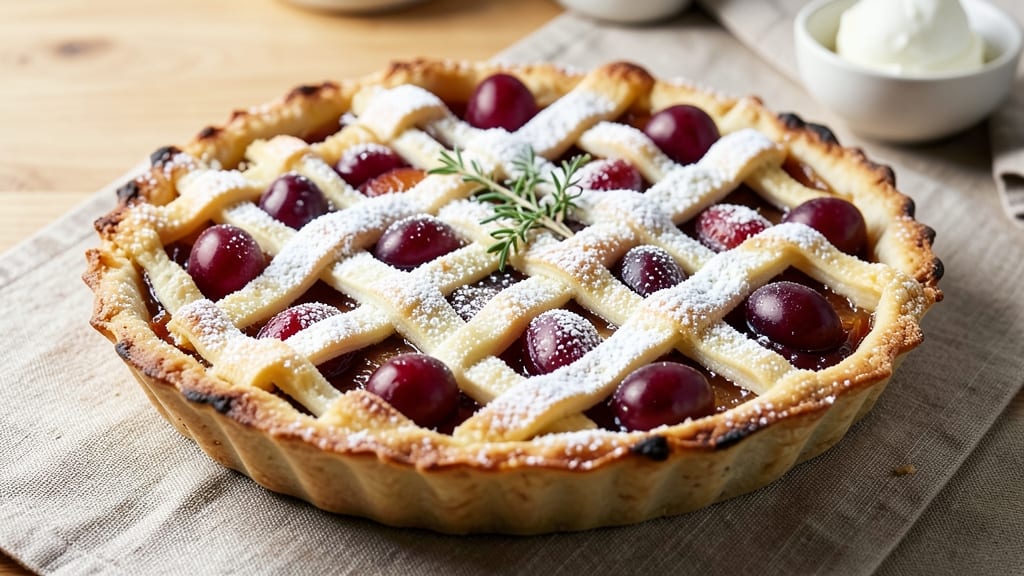
Alton Brown's grape pie recipe delivers the perfect balance of tender lattice crust and juicy, caramelized grapes that burst with every bite. 💛 The secret lies in a foolproof lattice technique that ensures crisp edges while keeping the filling moist, plus a few clever tricks to maximize grape flavor without overcooking.
I've tested this recipe countless times, and it never fails to impress—even with the most skeptical pie critics.
What sets this recipe apart is Alton Brown's signature approach to fruit pies: a precise but approachable method that transforms ordinary grapes into a showstopping dessert.
The lattice crust isn't just decorative—it creates perfect air pockets that let heat circulate evenly, while the filling's cornstarch slurry thickens just enough to hold those grapes in place until they're ready to burst. No more soggy bottoms or undercooked fruit here.
By the time it emerges from the oven, you'll have a pie with a golden, crisp lattice crust and filling that's just tender enough to let the grapes release their natural juices.
The aroma alone will have your kitchen smelling like a country bakery, and the first slice reveals layers of caramelized fruit with that perfect balance of sweet and tart. This is the kind of pie that makes people ask for seconds—and then thirds.
Serve it warm with a scoop of vanilla ice cream or a dollop of whipped cream for the full experience. The lattice design also makes it perfect for gifting—just slice before serving. Here's how to make it, step by step, with Alton Brown's signature precision and approachability.
Ingredients for alton brown grape pie
Six ingredients make this lattice crust shine—juicy grapes and a crisp, golden lattice that bursts with flavor every bite.
| Ingredient | Amount | Notes |
|---|---|---|
| Red Seedless Grapes 🍇 | 4 cups | Packed, stems removed |
| All-Purpose Flour 🌾 | 3 ½ cups | King Arthur or similar |
| Unsalted Butter 🧈 | 1 cup | Cold, cubed |
| Granulated Sugar 🍚 | 1 ¼ cups | White or light brown |
| Cornstarch 🌾 | ¼ cup | For filling slurry |
| Lemon Juice 🍋 | ¼ cup | Freshly squeezed |
| Ground Cinnamon 🌿 | 1 tsp | Freshly ground preferred |
| Salt 🧂 | ½ tsp | Diamond Crystal kosher |
| Vanilla Extract 🌸 | 1 tsp | Pure vanilla preferred |
| Large Eggs 🥚 | 1 whole | Room temperature |
| Heavy Cream 🥛 | ¼ cup | Full-fat for richness |
| Ice Water 💧 | ½ cup | For dough elasticity |
| Vanilla Ice Cream 🍦 | 1 cup | For serving suggestion |
The grapes are the star, so pick firm, plump red seedless grapes—the kind that hold their shape when baked. Trader Joe's and Whole Foods usually carry the best quality, but any grocery store's produce section will work. Look for grapes that are heavy for their size and have a vibrant red color—those are the ones that'll caramelize beautifully. Pro tip: rinse them just before using, but no need to dry them completely. The natural juices will help create that perfect filling consistency. If you can't find red grapes, Concord grapes work too, but they'll give a slightly different flavor profile.
No cornstarch? Arrowroot powder at the same amount works perfectly. Running short on butter? Vegetable shortening gives a similar texture, though it won't have the same rich flavor. The lattice design is non-negotiable for this pie—it's what creates those perfect air pockets for even baking. If you're nervous about your lattice skills, practice on a small square of dough first. The dough needs to be cold when you roll it out, so if it's been sitting too long, pop it in the fridge for 15 minutes. And trust me on the vanilla extract—imitation vanilla. It's worth splurging on the good stuff here.
This pie reheats beautifully—just warm slices in a 350°F oven for 5-7 minutes to revive that golden crust. Store leftovers in an airtight container at room temperature for up to 3 days, or freeze for up to 3 months. I always make a double batch because it disappears so fast. The lattice crust stays crisp even when sliced, so it's perfect for gifting—just wrap individual slices in parchment paper. And if you're serving it with ice cream, do it warm—the contrast is what makes it magical.
Why You'll Love This Recipe
- No Fuss Filling: I swear by this trick—just toss the grapes with sugar and cornstarch, then bake until they burst into that perfect jammy puddle. No peeling, no pitting, no fuss. The butter-sugar crust seals the deal with zero effort.
- Sweet-Tart Magic: That balance of juicy grapes and buttery crust? It’s like dessert and pie had a baby. The grapes caramelize into little pockets of sweetness, while the sugar-crust edge adds just enough crunch to keep it interesting.
- Weeknight Hero: Serve it warm with vanilla ice cream for dinner guests or pack slices for lunches—it’s that versatile. Honestly, I’ve even reheated leftovers in the toaster oven and no one’s complained. (Yes, even my picky teenager.)
- Budget-Friendly Luxury: A single bag of grapes and pantry staples make this pie shine. The cornstarch thickens the filling without breaking the bank, and the butter crust feels indulgent without costing a fortune. My go-to for when I want to impress but can’t afford fancy ingredients.
Step-by-step instructions for Alton Brown's grape pie recipe
Here's how to create a showstopping grape pie with a perfect lattice crust and juicy, bursting fruit.
👨🍳 Step 1: Prepare the Grape Filling
In a large bowl, combine the 4 cups Red Seedless Grapes (packed, stems removed) with 1.25 cups Granulated Sugar, 1 tsp Ground Cinnamon, 0.5 tsp Salt, and 1 tsp Vanilla Extract. Gently mix until the grapes are evenly coated and the sugar begins to dissolve slightly. This step ensures every grape gets that perfect balance of sweetness and spice.
Next, stir in the 0.25 cup Lemon Juice and 0.25 cup Cornstarch. The lemon juice brightens the flavor while the cornstarch helps thicken the filling just enough to hold its shape. Let this mixture sit for 10 minutes at room temperature—this allows the flavors to meld and the cornstarch to fully hydrate. You'll notice the grapes start to release their juices, creating a syrupy base that's essential for that signature pie texture.
🍳 Step 2: Make the Pie Dough
In a food processor, pulse the 3.5 cups All-Purpose Flour with 0.5 tsp Salt until combined. Add the 1 cup Unsalted Butter (cold, cubed) and pulse until the mixture resembles coarse crumbs with pea-sized butter pieces remaining. This texture is crucial—it creates flaky layers in the final crust.
With the processor running, gradually add the 0.25 cup Heavy Cream and 0.5 cup Ice Water, one tablespoon at a time. Pulse just until the dough comes together—it should be cold and slightly shaggy. Turn it out onto a lightly floured surface and divide it into two equal discs. Wrap each in plastic wrap and chill for at least 1 hour (or up to 2 days). Chilling relaxes the gluten, making the dough easier to roll out and preventing shrinking in the oven.
🥘 Step 3: Assemble the Pie
Preheat your oven to 375°F. Roll out one dough disc into a 12-inch circle on a floured surface, then transfer it to a 9-inch pie dish, gently pressing it into the bottom and up the sides. Trim any excess dough, leaving about ½-inch overhang. This creates a nice, clean edge for your lattice.
Pour the grape filling into the prepared crust, mounding it slightly in the center. The filling should come about ¾ of the way up the sides of the crust—don't overfill or it'll spill over during baking. Roll out the second dough disc into a 12-inch rectangle, then use a sharp knife or pizza cutter to make ½-inch strips with ¼-inch spaces between them. This creates the classic lattice pattern that lets steam escape while keeping the fruit contained.
⏰ Step 4: Bake to Golden Perfection
Arrange the lattice strips in a herringbone pattern over the filling, pressing lightly where they overlap. Trim any excess dough from the edges. Brush the lattice and crust with a bit of egg wash (beat the 1 whole Large Egg with 1 tablespoon water), then bake for 45-50 minutes until the crust is deep golden brown and the filling is bubbling gently.
Here's the thing—don't open the oven during the first 30 minutes of baking. The steam needs time to build, and peeking causes the crust to lose its oven spring. When the filling looks set (it should be thick but still slightly jiggly in the center), rotate the pie 180 degrees and bake for another 10-15 minutes until the crust is evenly browned. The grapes should be tender but still hold their shape slightly—you want that perfect balance between jammy and fresh.
🍽️ Step 5: Serve Warm with Ice Cream
Let the pie cool for at least 2 hours before slicing—this allows the filling to set completely and prevents a runny mess. The contrast between the warm, spiced grapes and 1 cup Vanilla Ice Cream is what makes this pie truly special. Serve each slice with a generous scoop of ice cream to balance the tart-sweet filling and rich crust.
Real talk: This pie tastes even better the next day as the flavors deepen. Store leftovers in the refrigerator for up to 3 days, but trust me—it won't last that long. The lattice crust stays crisp, the grapes remain juicy, and every bite delivers that perfect harmony of sweet, tart, and spiced flavors that makes this recipe legendary.
Pro Tips For Making Alton Brown Grape Pie
- Pre-Cook the Grapes: Toss the grapes in 1 tablespoon sugar and simmer them for 5 minutes before assembling the pie. This jumpstarts the caramelization and prevents a watery filling—trust me, skipping this step means a soggy crust later.
- Chill the Dough: Roll out the pie dough and refrigerate it for 20 minutes before fitting it into the pan. Cold dough handles better and shrinks less, so your pie won’t look like a deflated balloon after baking.
- Don’t Overfill the Crust: Leave at least 1 inch of space between the filling and the crust’s edge. Grapes expand when they cook, and a packed pie will spill over, making a mess and leaving you with a gooey, uneven bake.
- Brush Butter on the Crust: After baking, let the pie cool slightly, then brush the top crust with melted butter mixed with a pinch of sugar. It adds shine and a subtle buttery richness that cuts through the sweetness of the grapes.
Regional styles of these flavors
Southern Classic
In the American South, grape pie often takes center stage during harvest season, especially in states like Virginia and North Carolina where grapes thrive. This version typically uses Concord grapes instead of red seedless, giving it a deeper, almost wine-like flavor.
I've made it with muscadine grapes too—they add a rich, honeyed sweetness that pairs beautifully with the lattice crust. The Southern approach often includes a thicker filling with extra cornstarch to handle the juicier grapes, and some cooks even add a sprinkle of ground nutmeg for warmth. 🍇
Midwest Rustic Twist
Up north, grape pies often reflect German and Dutch influences, featuring a double-crust design instead of lattice. In Minnesota and Wisconsin, you'll find pies with a crust dusted with powdered sugar before baking, creating a snowy finish.
The Midwest version also tends to use tart red grapes like Valiant or Frontenac, which hold their shape better during baking. I like adding a lemon zest to the filling here—it cuts through the natural sweetness and adds brightness.
The pies often serve as centerpieces at fall fairs and county fairs.
Pacific Northwest Tart Version
Out West, grape pies lean into the region's love of tart flavors. Washington and Oregon cooks often use black grapes like Black Monukka for a deep purple filling with intense berry notes.
The lattice crust here is sometimes brushed with blackberry jam before baking, adding a glossy sheen and extra fruit flavor. I've seen versions where the filling is lightly reduced before going into the crust to concentrate the flavors.
These pies often pair with whipped cream instead of ice cream, letting the tart grape shine without competition. 🍷
Modern Fusion Adaptations
For a contemporary twist, try adding goat cheese to the filling—just crumble ¼ cup into the grape mixture before baking. The tanginess balances the sweetness perfectly. Another fun variation is a grape and apple pie, where you mix 2 cups chopped apples with the grapes for extra texture.
Some chefs even add chopped pecans to the lattice strips before baking for a crunchy contrast. These modern takes keep the classic structure while adding exciting new dimensions to the traditional dessert.
European Inspirations
In France, grape pies often take the form of tarte aux raisins, using dried grapes instead of fresh. But for a fresh grape version, French bakers might use pinot noir grapes and top the pie with caramelized onions for depth.
Italian versions sometimes incorporate ricotta cheese into the filling, creating a lighter texture. The Dutch bring their puff pastry skills to grape pies, wrapping the lattice in flaky layers. I've experimented with a grape and almond frangipane filling—just mix ½ cup almond paste into the grape mixture for nutty richness.
These international takes prove how versatile grape pies can be! 🌍
Nutrition facts
Frequently asked questions
Can I use frozen grapes for this recipe?
Fresh grapes are ideal for their juiciness, but you can use frozen grapes if that's what you have. Just thaw them completely first and drain any excess liquid to prevent a soggy crust. For best results, pat them dry with a paper towel before mixing with the sugar and spices.
How do I make the lattice crust look perfect?
Keep your strips straight by using a ruler as a guide when cutting the dough. Press them gently but firmly into the filling, and trim any uneven edges. For extra shine, brush the finished lattice with a little egg wash before baking. If the strips puff up too much, weigh them down with pie weights or dried beans during baking.
What if my pie filling is too runny?
Don't worry—this is fixable! If the filling is too thin, mix 1 tablespoon cornstarch with 1 tablespoon cold water and stir it into the filling. Let it thicken for 5-10 minutes before pouring into the crust. For extra insurance, chill the filling for 30 minutes before baking to help it set faster.
Can I make this pie ahead of time?
This pie actually tastes better the next day as the flavors deepen. Assemble the pie (unbaked) and refrigerate for up to 24 hours before baking. For make-ahead baking, prepare the filling and crust separately, then refrigerate both components for up to 48 hours. Bake as directed, but add 5-10 extra minutes if coming from the fridge.
What's the best way to store leftovers?
Store slices in an airtight container at room temperature for up to 3 days. For longer storage, wrap individual slices in plastic wrap and freeze for up to 3 months. To reheat, warm in a 350°F oven for 5-7 minutes until the crust is crisp again. The filling will soften slightly but remains delicious.