
Desserts
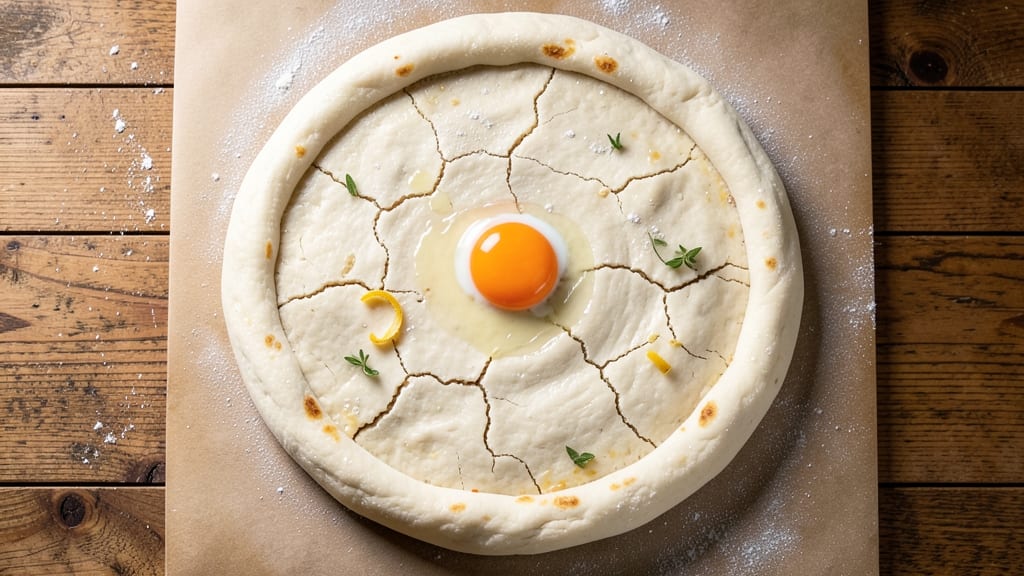
This American pie pizza dough recipe transforms dessert night into a showstopper with a flaky, buttery crust that rivals any bakery. The secret lies in a high-fat dough that creates that signature pie-like texture while maintaining the flexibility of pizza dough—perfect for your favorite sweet toppings.
I developed this recipe after years of experimenting with dessert crusts, and it never fails to impress.
The dough combines all-purpose flour with cold butter and a touch of sugar for just the right amount of sweetness. A slow rise in the refrigerator gives you that tender, airy texture without sacrificing structure.
What sets this apart is the technique of rolling it slightly thicker than traditional pizza dough—this creates that satisfying pie-like bite while still allowing for even baking.
By the time you pull this golden, crisp-edged crust from the oven, you'll have a dessert masterpiece that's sturdy enough to hold heavy toppings but tender enough to melt in your mouth.
The buttery aroma alone will have everyone asking for seconds, and the flaky layers make every bite feel like a little slice of heaven. This is the kind of dessert that turns casual gatherings into memorable events.
Whether you're recreating a classic apple pie pizza or experimenting with chocolate and caramel, this dough delivers the perfect foundation. The instructions are straightforward, and the results are consistently impressive—no advanced skills required. Let's get started on turning your favorite pies into pizza masterpieces!
Ingredients for american pie pizza dough
Nine simple ingredients create the flakiest, buttery pie pizza crust you'll ever make.
| Ingredient | Amount | Notes |
|---|---|---|
| All-Purpose Flour 🌾 | 4 cups | Sifted for flakiness (plus extra for dusting) |
| Unsalted Butter 🧈 | 1 cup | Cold, cubed (European-style preferred) |
| Granulated Sugar 🍚 | ¼ cup | Superfine for even distribution |
| Instant Yeast 🍞 | ½ tsp | Freshly opened for activation |
| Large Eggs 🥚 | 1 whole | Room temperature for blending |
| Whole Milk 🥛 | ½ cup | Warmed to 90°F for yeast activation |
| Diamond Crystal Kosher Salt 🧂 | 1 ½ tsp | Fine grain for even seasoning |
| Vanilla Extract 🌸 | 1 tsp | Pure, high-quality vanilla |
| Pure Vanilla Sugar 🍬 | 1 tbsp | Optional for enhanced flavor |
| Extra-Virgin Olive Oil 🫒 | 1 tbsp | For dough handling (not baking) |
The butter is non-negotiable here—European-style has higher fat content, which gives you those signature flaky layers. Grab it from Whole Foods or Trader Joe's if your regular store doesn't carry it. Keep those cubes cold until they hit the flour; if they start melting, pop them in the freezer for 10 minutes. The flour should be sifted—this lightens the texture and prevents dense spots. I always buy King Arthur for its consistent quality, but any high-protein all-purpose works. The vanilla sugar is optional but adds that subtle depth you'd expect in a bakery-style crust.
No instant yeast? Active dry yeast needs 5 minutes in warm milk first. Short on butter? Lard or coconut oil works in a pinch (though texture will differ slightly). The milk should be warm to the touch—like bathwater—not hot. If you're gluten-sensitive, swap the all-purpose for a 1:1 gluten-free flour blend, but expect a slightly denser crust. For extra richness, add 1 tbsp sour cream to the dough. The olive oil isn't for baking—it's just for keeping the dough from sticking as you handle it (trust me, this saves cleanup time).
This dough is best made a day ahead—wrap it tightly in plastic and refrigerate for 24 hours to develop maximum flavor. When ready to use, let it sit at room temperature for 1-2 hours before rolling. The dough keeps in the fridge for 3 days or freezes beautifully for 3 months. For freezing, wrap tightly in plastic and place in a freezer bag. Thaw overnight in the fridge before using. Pro tip: Roll it slightly thicker than traditional pizza dough—about 1/4-inch thick—for that perfect pie-like bite.
Why You'll Love This Recipe
- I’ll be real: this recipe costs me pennies per serving, and the leftovers? They’re even better the second day. The yeast and sugar combo means it rises faster, so you’re not stuck waiting around—just pure, reliable pizza dough for less.
- No-Fuss Dough: I swear by this recipe because it’s actually foolproof—just mix, knead for two minutes, let it rise while you watch one episode of your show. That sugar in the butter? It keeps the crust tender without tasting sweet.
- Sweet Butter Magic: Honestly, the moment I swapped regular butter for the sugar-butter combo, my pizza dough became next-level. The crust stays pillowy soft with just a hint of richness, and it caramelizes into golden perfection when baked.
- Weeknight Superstar: Between us, this dough is my go-to for lazy nights—make it ahead, store it in the fridge, and pull it out when you’re too tired to order takeout. It’s also the star of my game-day appetizer spread (yes, even on a Tuesday night).
Step-by-step instructions for American pie pizza dough
Here's how to craft a dessert crust so tender and buttery it'll make your favorite sweet toppings shine.
Mix the Dry Ingredients with Cold Butter
In a large mixing bowl, combine the 4 cups all-purpose flour and 1.5 teaspoons diamond crystal kosher salt. Sift together gently to aerate the flour and distribute the salt evenly throughout. This prevents clumping and ensures consistent texture.
Add the 1 cup unsalted butter, cut into ½-inch cubes and chilled until firm but not rock-hard. Using a pastry cutter or your fingers, work the butter into the flour mixture until you achieve pea-sized crumbs with some flour still visible. The butter should be evenly distributed but not completely melted - this creates those signature flaky layers when baked.
For extra flavor, sprinkle in the 1 tablespoon pure vanilla sugar and mix lightly with your fingers. The vanilla sugar adds subtle sweetness that complements the butter beautifully. Keep the mixture cold by working quickly and chilling the bowl in the freezer for 5 minutes if needed.
Add Wet Ingredients and Form the Dough
In a separate bowl, whisk together the 1 whole large egg, 0.5 cup whole milk (warmed to 90°F to activate the yeast), 1 teaspoon vanilla extract, and 0.5 teaspoon instant yeast. The warm milk helps the yeast activate immediately, which is crucial for proper dough development.
Pour the wet mixture into the flour-butter mixture and stir gently with a wooden spoon until just combined. Avoid overmixing - you should still see some dry flour pockets. The dough will be shaggy and sticky at this stage, which is normal. Sprinkle in the 0.25 cup granulated sugar and mix until evenly distributed.
Turn the dough out onto a lightly floured surface and knead lightly just until it comes together. The dough shouldn't be smooth - it should remain slightly rough and crumbly. This texture is essential for creating that signature flaky, tender crust. Wrap the dough tightly in plastic wrap and refrigerate for at least 2 hours or up to 48 hours. The longer it rests, the more flavor develops.
Shape and Prepare for Baking
Remove the dough from the refrigerator and let it sit at room temperature for 15-20 minutes until pliable but still cool. On a lightly floured surface, gently roll or press the dough into a 12-inch circle about ¼-inch thick. The dough will naturally spring back slightly - that's normal. Avoid overworking it.
Transfer the shaped dough to a parchment-lined baking sheet. Brush the surface lightly with 1 tablespoon extra-virgin olive oil - this creates a beautiful golden crust and adds subtle flavor. Prick the dough all over with a fork to prevent air bubbles from forming during baking. Let the dough rest uncovered at room temperature for 30 minutes while you preheat your oven.
Preheat your oven to 375°F. The dough is now ready for your favorite sweet toppings - whether it's classic cinnamon sugar, fresh berries, or melted chocolate. The beauty of this dough is its versatility - it bakes up perfectly for either savory or dessert pizzas.
Pro Tips For Making American Pie Pizza Dough
- CHILL THE BUTTER FIRST: Cold butter makes flaky layers—cut it into ½-inch cubes and refrigerate for 20 minutes before mixing. I learned this the hard way when my dough turned dense because the butter melted too fast into the flour.
- WEIGH YOUR FLOUR: Scooping flour leads to inconsistency; use a kitchen scale for 3 cups (about 360g) of all-purpose flour. The dough’s texture changes if it’s packed too tightly or too loosely—trust the grams, not the cup.
- LET THE DOUGH RISE TWICE: Skip the second rise at your own risk—the first rise (1–2 hours) builds flavor, but the second (30–60 minutes after shaping) guarantees a lighter crust. I used to cut corners here, and the dough always felt heavy.
- USE ROOM-TEMP YEAST: Instant yeast works, but it’s more reliable when dissolved in warm (not hot) water with a pinch of sugar first—let it sit for 5 minutes until foamy. Cold water kills it; hot water cooks it before it activates.
Make-ahead tips for american pie pizza dough
Refrigerator Prep
Make this dough 1-2 days ahead for maximum flavor development. After mixing, wrap it tightly in plastic wrap and refrigerate for 24 hours—this slow fermentation creates a tender, flavorful crust.
I always prep mine the night before so it's ready for morning baking sessions. The cold environment also prevents the butter from melting prematurely, preserving those crucial flaky layers. 🥖
Freezer Storage
For long-term storage, wrap the shaped dough in plastic wrap, then place it in a freezer bag with all the air squeezed out. Label with the date—this dough keeps for 3 months without losing quality.
When ready to use, thaw it overnight in the fridge, then let it sit at room temperature for 30 minutes before rolling. The texture remains perfect after freezing, though it might need a few extra minutes in the oven.
Portioning for Efficiency
Divide the dough into 4 equal portions before freezing or refrigerating. Wrap each portion individually in plastic wrap, then place them in a single freezer bag. This way, you can thaw just what you need without dealing with a giant block of dough.
I like to make mini "pie pizzas" using 1 portion for each—perfect for single servings or party appetizers. 🍰
Thawing Techniques
Never thaw dough at room temperature—it can develop uneven textures. Instead, move it from the freezer to the fridge 12 hours before you plan to bake. For a rush job, place the frozen dough in a sealed plastic bag and submerge it in cold water for 30 minutes.
Change the water every 10 minutes to maintain even temperatures. Always let it rest at room temperature for 30 minutes after thawing to prevent cracking.
Make-Ahead Toppings
Prep your toppings the night before to save time. For a classic apple pie pizza, thinly slice 2 apples and toss with 1 tbsp lemon juice and 1 tsp cinnamon—this prevents browning. Store in an airtight container in the fridge.
Melted chocolate or caramel can be reheated gently in 30-second intervals in the microwave. The dough's buttery richness pairs perfectly with prepped toppings for a stress-free dessert experience. 🍏
Baking from Frozen
Yes, you can bake this dough straight from the freezer! Roll it out as directed, then bake at 375°F for 15-20 minutes longer than usual. Add toppings in the last 10 minutes of baking to prevent burning.
The extra time ensures the center cooks through while keeping the edges crisp. This is my go-to method for last-minute gatherings—just pull it from the freezer and let the oven work its magic. 🔥
Nutrition facts
Frequently asked questions
Why does this dough need cold butter?
The cold butter creates those signature flaky layers by melting slowly during baking. When butter stays solid until the oven heats up, it creates steam pockets that separate the dough layers, giving you that tender, pie-like texture. European-style butter works best because it has a higher fat content (82-86%) compared to regular butter (80-81%).
Can I make this dough without yeast?
Yes! For a quick version, replace the yeast with 1 teaspoon baking powder. However, the texture will be denser and less tender than the yeast version. The yeast gives this dough its signature lightness and flavor development during the long refrigeration period. For a yeast-free option, try adding 1 tablespoon sour cream to improve tenderness.
How do I prevent the dough from shrinking when baking?
Never overwork the dough when shaping—just gently press it to ¼-inch thickness. The key is to let it rest 30 minutes after shaping before adding toppings. Also, avoid overloading with wet toppings (like fresh fruit) which can cause the dough to puff up and then collapse. For extra stability, chill the topped pizza in the fridge for 15 minutes before baking.
What's the best way to reheat leftover pie pizza?
For best results, reheat slices in a 350°F oven for 5-7 minutes> on a baking sheet. The residual moisture in the crust helps it stay tender. Microwave reheating works in a pinch (30-second intervals), but it can make the crust soggy. To revive day-old pie pizza, brush the crust with melted butter and bake at 375°F for 8-10 minutes> to restore crispness.
Can I use this dough for savory pizzas too?
While designed for desserts, this dough works beautifully for savory pizzas. The buttery richness pairs well with tomato sauce, mozzarella, and classic toppings. For a savory version, reduce the sugar to ¼ cup> and add 1 teaspoon garlic powder> to the dry ingredients. The thicker crust holds up better to heavy toppings than traditional pizza dough.