
Desserts
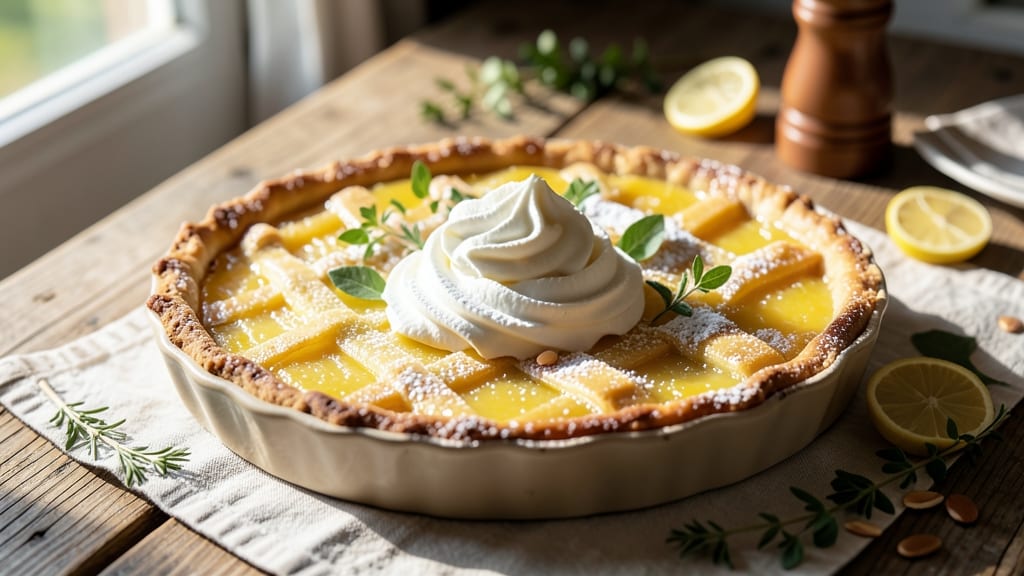
This Amish lemon pie recipe delivers the perfect balance of a flaky, homemade crust and a tangy, sweet-tart filling that’s become a beloved tradition in Pennsylvania Dutch country. 💛 The secret lies in the simplicity—just a few wholesome ingredients, no artificial flavors, and a baking method that ensures a golden, crackly top while keeping the filling silky smooth.
The Amish approach to this pie emphasizes quality over complexity: fresh, locally sourced lemons for brightness, a buttery crust made with lard or shortening (a nod to traditional Amish cooking), and a touch of cornstarch to thicken the filling just right.
Unlike store-bought versions, this pie develops a caramelized crust edge that’s crisp enough to hold its shape but tender enough to melt in your mouth.
What sets this recipe apart is the harmony between the zesty lemon curd and the buttery crust—a contrast that makes every bite feel like a taste of rural Pennsylvania.
The filling isn’t overly sweet; instead, it’s bright and balanced, with just enough acidity to cut through the richness of the crust. This is the kind of pie that disappears quickly, leaving guests asking for seconds.
Perfect for summer gatherings, church potlucks, or a cozy weekend dessert, this Amish lemon pie proves that tradition and flavor go hand in hand. Let’s get started on creating a slice that tastes like home.
Ingredients for amish lemon pie
Wholesome ingredients for a pie that balances zesty lemon with a traditional buttery crust.
| Ingredient | Amount | Notes |
|---|---|---|
| All-Purpose Flour 🌾 | 2 ½ cups | Unbleached, sifted for flakiness |
| Unsalted Butter 🧈 | 1 cup | Cold, cubed for crust |
| Lard or Shortening 🧈 | ½ cup | Traditional Amish choice |
| Granulated Sugar 🍚 | 1 ½ cups | White sugar preferred |
| Salt 🧂 | ½ tsp | Fine sea salt |
| Ice Water 💧 | ½ cup | Chilled for crust |
| Fresh Lemon Juice 🍋 | 1 ½ cups | From 6-8 lemons |
| Granulated Sugar 🍚 | 1 ½ cups | For filling, same brand |
| Cornstarch 🌾 | ¼ cup | For thickening |
| Large Egg Yolks 🥚 | 4 whole | Room temperature |
| Zest of 2 Lemons 🍋 | 1 tbsp | Fine, bright yellow |
| Vanilla Extract 🌸 | 1 tsp | Pure vanilla preferred |
| Heavy Cream 🥛 | ½ cup | Whole milk for lighter option |
The crust is where tradition shines. Lard or shortening gives that signature Amish flakiness—Costco or local Amish markets often carry it in bulk. If unavailable, shortening works identically. For butter, use European-style (like Plugrá) for higher fat content. Sift your flour first; it makes all the difference. The lemons should be bright yellow and firm—avoid those with soft spots. I always buy Meyer lemons when in season for their sweeter profile, but regular lemons work perfectly too. Store your lemons in the fridge, and zest them just before using for maximum flavor.
No lard? Vegetable shortening is a direct swap, though the texture will be slightly denser. Running short on egg yolks? Substitute with 4 tbsp melted butter—it won’t be identical, but it’ll save your pie. The cornstarch is non-negotiable here; it’s what gives that signature silky texture. Diamond Crystal is my go-to for cornstarch—it’s finer than others and dissolves smoothly. For the cream, heavy cream gives the richest result, but whole milk lightens the filling slightly if you prefer. If you’re making this ahead, prepare the filling first—it can sit overnight in the fridge without curdling.
The crust dough keeps best for 2 days wrapped tightly in plastic. The filling, once thickened, holds in the fridge for 4 days or freezes beautifully for 3 months. For the best texture, chill the filling overnight before pouring into the crust. When baking, rotate the pie halfway through for even browning. The crust should be golden and crackly—if it’s browning too fast, tent it with foil. Serve warm or at room temperature; the flavors meld best after sitting for an hour. Leftovers? Slice and freeze individual portions for quick treats later.
Why You'll Love This Recipe
- No Fuss Crust: I swear by that buttery lard crust—flaky, golden, and so much easier than fussing with pie dough. Just mix, chill, roll, and bake. No rolling pins required.
- Citrus Zing: That bright, tangy lemon filling cuts through the richness of the crust like a cool breeze. The sugar and butter balance it perfectly—sweet but never cloying.
- Potluck Hero: This pie travels like a champ. The sturdy crust holds up at picnics, church gatherings, or even your kid’s soccer game. (Yes, I’ve packed it in a cooler.)
- Budget Buster: Uses pantry staples—no fancy ingredients, just flour, butter, and sugar. A whole pie for under $5? That’s a win for my wallet and my dessert cravings.
Step-by-step instructions for Amish lemon pie
Follow this traditional method for a pie with a flaky, buttery crust and a perfectly balanced lemon filling.
👨🍳 Step 1: Prepare the Classic Amish Crust
In a large mixing bowl, combine the 2.5 cups all-purpose flour and 0.5 tsp salt. Cut in the 1 cup cold cubed unsalted butter and 0.5 cup lard or shortening using a pastry cutter or your fingers until the mixture resembles coarse crumbs with pea-sized butter pieces. This texture is crucial—it creates that signature Amish flakiness.
Gradually add the 0.5 cup ice water, 1 tablespoon at a time, mixing gently just until the dough comes together. Avoid overmixing—handle it as little as possible to prevent tough crust. Divide the dough into two equal portions, flatten into discs, wrap in plastic, and refrigerate for at least 1 hour. The cold dough is easier to roll and prevents shrinking during baking.
🍳 Step 2: Assemble the Crust Layers
Preheat your oven to 375°F. On a lightly floured surface, roll out one dough disc into a 12-inch circle, about 1/8-inch thick. Transfer it to a 9-inch pie dish, pressing gently to fit. Trim excess dough, leaving a 1/2-inch overhang. Fold the overhang under itself to create a neat edge.
Roll out the second dough disc and place it over a bowl. Carefully invert it over the filled pie shell, pressing gently to seal the edges. Trim excess dough, leaving a 1/4-inch overhang. Crimp the edges decoratively using your fingers or a fork. Cut 4-5 small slits in the top crust for steam to escape. Chill the assembled pie for 20 minutes while you prepare the filling.
🥘 Step 3: Make the Tangy Lemon Filling
In a medium saucepan, combine the 1.5 cups fresh lemon juice, 1.5 cups granulated sugar, 0.25 cup cornstarch, 4 whole large egg yolks, 1 tbsp lemon zest, and 1 tsp vanilla extract. Whisk vigorously until smooth—this prevents lumps that can make your filling grainy. Cook over medium heat, stirring constantly, until the mixture thickens enough to coat the back of a spoon, about 5-7 minutes. The filling should be glossy and smooth.
Remove from heat and stir in the 0.5 cup heavy cream. Return to low heat and cook for another 1-2 minutes just to warm through. The mixture should coat a metal spoon and hold its shape when spooned. Let it cool to room temperature before pouring into the pie shell—this prevents the crust from getting soggy.
🔥 Step 4: Bake to Golden Perfection
Pour the cooled filling into the prepared pie shell. Brush the top crust with a little ice water to help it brown. Bake on the middle rack for 45-50 minutes until the crust is deep golden brown and the filling is set but still slightly jiggly in the center. If the edges brown too quickly, cover them loosely with aluminum foil.
For the final touch, increase the oven temperature to 425°F and bake for another 3-5 minutes to achieve that classic Amish crust color. Let the pie cool completely on a wire rack before slicing—this allows the filling to set properly and prevents a runny center. The crust should be crisp, the filling perfectly balanced between sweet and tart, and each slice should have that signature flaky texture.
Pro Tips For Making Amish Lemon Pie
- Chill the Dough First: I learned this the hard way—rolling out cold dough straight from the fridge makes it easier to handle without stretching. Let the pie crust sit at room temp for 10-15 minutes before rolling, but keep it in the fridge until then. Warm dough sticks, tears, and fights you—this avoids a messy transfer into the pan.
- Use Lard, Not Shortening: Shortening works, but lard gives that classic Amish flakiness. If you’re using shortening, add 1 extra tablespoon—it’s less forgiving. For lard, keep it cold when cutting into the flour; warm lard = tough crust. (Yes, even if you’re impatient like me.)
- Bake Until Golden, Not Just Set: The crust should be deep golden brown, not pale. I used to pull mine out when it looked "done," but the edges stayed white and soggy. Bake 5-10 minutes longer than the recipe says—until the crust is firm to the touch and the edges are crisp.
- Skip the Extra Sugar in Filling: The lemon juice and zest already pack enough sweetness. I used to dump in an extra cup of sugar for "insurance," but it made the pie cloying. Stick to the recipe’s sugar amount—trust the acidity to balance it. (Your future self will thank you.)
Troubleshooting this dish
Crust Too Tough
If your crust turns out tough instead of flaky, you likely overworked the dough or didn’t chill it properly. The Amish method relies on cold butter and minimal handling—never knead the dough.
I’ve found that rolling the dough between two sheets of parchment paper prevents sticking and makes handling easier. Also, ensure your butter and lard are firm but not frozen when cutting them into the flour. 🧈
Filling Too Thin
A runny filling usually means the cornstarch didn’t thicken properly. First, make sure you’re using Diamond Crystal cornstarch—it’s finer and more effective than others. Whisk the filling vigorously before cooking to eliminate lumps, and cook it over medium heat until it reaches 215°F on a candy thermometer.
If it’s still too thin, mix 1 tbsp cornstarch with 1 tbsp cold water, stir into the filling, and cook for another 1-2 minutes.
Crust Shrinking
Shrinking crusts happen when the dough isn’t chilled long enough or the pie isn’t baked at the right temperature. Always refrigerate the dough for at least 1 hour before rolling, and preheat your oven fully before baking.
I also recommend blind-baking the bottom crust for 10 minutes before adding the filling to prevent sogginess. Use a pie weight or dried beans to keep the crust shape during blind-baking. 🔥
Filling Too Sweet
Amish lemon pie should balance sweet and tart—if yours tastes cloying, you likely used too much sugar. Start with 1.5 cups sugar and adjust to taste after cooking. For a more authentic Amish flavor, reduce sugar to 1.25 cups and add 1 tbsp honey to deepen the lemon’s natural sweetness.
Taste the filling as it cooks; it should taste pleasantly tart before baking, as the sugar caramelizes slightly during baking. 🍯
Top Crust Not Browning
A pale top crust often means the oven isn’t hot enough or the crust lacks moisture. Brush the top crust with ice water before baking, then sprinkle with a pinch of granulated sugar for extra color. For even browning, rotate the pie halfway through baking.
If your oven runs hot, cover the edges with foil to prevent over-browning while keeping the top exposed. A broiler for 1-2 minutes at the end can also help achieve that golden finish. 🌟
Pie Filling Curdled
Curdling occurs when the filling cools too quickly or the eggs weren’t fully incorporated. Always cook the filling over medium heat until it thickens to 215°F, then let it cool to room temperature before pouring into the crust.
If it curdles, strain it through a fine-mesh sieve to remove any lumps, then reheat gently with 1 tbsp lemon juice to restore smoothness. For extra insurance, chill the filling overnight before baking—this prevents curdling during the baking process. 🥄
Nutrition facts
Frequently asked questions
Why does this recipe use lard or shortening for the crust?
Traditional Amish cooking often uses lard or shortening because they create a flakier, more tender crust that stays crisp even when sliced. These fats have a higher melting point than butter, which prevents the crust from becoming greasy. If you prefer butter, use European-style with higher fat content (82-86%) for the best results.
Can I make this pie without a top crust?
For an open-faced version, simply bake just the bottom crust with filling. Brush the edges with egg wash before baking to create a decorative border. This style works well for summer gatherings when you want a lighter dessert. Serve with whipped cream or vanilla ice cream to balance the tartness.
How do I store leftovers to keep the crust crisp?
Store the pie at room temperature for up to 2 days in an airtight container. For longer storage, slice the pie and freeze individual portions on a tray before transferring to a freezer bag. Reheat slices in a 350°F oven for 5-7 minutes to restore crispness. Never refrigerate the whole pie—condensation makes the crust soggy.
What's the best way to adjust the lemon flavor?
For a brighter flavor, use Meyer lemons if available—they're sweeter with less acidity. If your lemons taste too tart, reduce the sugar slightly (by 1-2 tablespoons) or add 1 teaspoon honey to balance. For extra zing, add 1/2 teaspoon lemon extract to the filling before baking.
Can I make this pie ahead of time?
Yes! Prepare the filling up to 2 days ahead and store it chilled. Assemble the pie and refrigerate overnight before baking—this helps prevent a soggy crust. For best results, bake the pie just before serving so the crust stays crisp. The flavors actually improve after sitting for a few hours at room temperature.