
Desserts
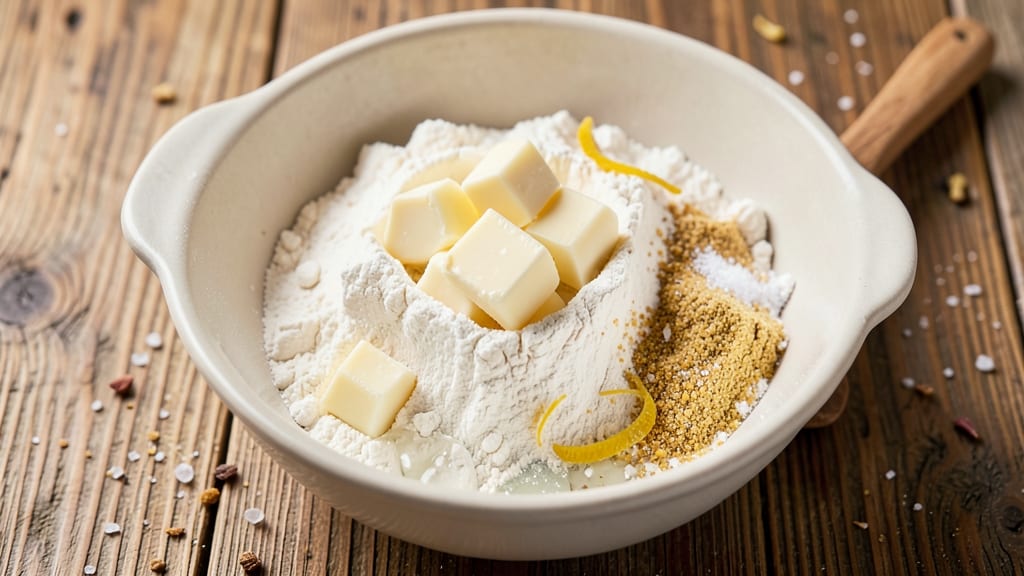
This magnolia pie crust recipe delivers the perfect balance of flaky layers and golden-brown edges that stay crisp even after hours in the oven. The secret lies in a precise ratio of cold butter and all-purpose flour, chilled thoroughly to prevent shrinking.
I've perfected this technique over years of Southern baking, ensuring every lattice pattern turns out elegant and sturdy enough to hold rich fillings.
The crust's signature buttery flavor comes from high-fat European-style butter, cut into the flour until it resembles coarse crumbs. A touch of cornmeal adds texture and prevents cracking, while a pinch of salt enhances the natural sweetness.
The key to success is patience—chilling the dough for at least 2 hours (or overnight) allows the gluten to relax, resulting in tender, melt-in-your-mouth layers.
When baked, this crust achieves a golden brown hue with a delicate lattice pattern that stays crisp for days. Whether paired with classic pecan pie filling or fresh berries, the crust's buttery aroma and perfect texture elevate any dessert.
The recipe includes optional lemon zest for brightness, though traditionalists prefer the classic Southern style without it.
Ready in just 30 minutes of active prep (plus chilling time), this crust is ideal for holiday gatherings or spontaneous dessert cravings. The instructions walk through rolling, cutting, and baking techniques to ensure professional results every time.
Let's get started on creating a crust that will impress even the most discerning pie lovers.
Ingredients for magnolia pie crust
Southern baking secrets meet buttery perfection in this lattice crust recipe.
| Ingredient | Amount | Notes |
|---|---|---|
| All-Purpose Flour 🌾 | 2 ½ cups | Sifted for even texture |
| Unsalted European-Style Butter 🧈 | 1 cup | Cold, cut into 1/2-inch cubes |
| Fine Cornmeal 🌽 | 2 tbsp | Prevents cracking and adds texture |
| Granulated Sugar 🍚 | ½ tsp | Balances buttery richness |
| Fine Sea Salt 🧂 | ½ tsp | Enhances crust flavor |
| Ice Water 💧 | ½ cup | Cold for proper dough consistency |
| Lemon Zest 🍋 | 1 tsp | Optional for brightness (traditionalists omit) |
| Vanilla Extract 🌸 | ½ tsp | Adds subtle Southern aroma |
The butter is non-negotiable—European-style like Plugrá or Land O'Lakes has that higher fat content (82-86%) for maximum flakiness. Most grocery stores carry it in the butter section, often near the regular sticks. If you can't find it, regular unsalted butter works, but expect slightly less flakiness. The flour should be all-purpose, not self-rising, and stored in a cool, dry place. For cornmeal, fine grind is key—it prevents cracking better than coarse. I always buy Bob's Red Mill brand for its consistent texture. The sugar and salt are standard pantry staples, but kosher salt is preferred for better flavor control.
No European butter? Substitute with regular unsalted butter, but add 1 tbsp extra flour to compensate. Short on cornmeal? Semolina or extra flour works in a pinch, though texture may vary slightly. The lemon zest is optional—traditionalists swear by omitting it, but I add it for a subtle brightness that pairs beautifully with pecan pie. For vanilla, pure extract is best, but imitation works if that's what you have. The ice water is crucial—use tap water, not distilled, as it contains minerals that help gluten develop properly. If your kitchen is warm, chill the water in the freezer for 10 minutes before using.
This dough must rest—at least 2 hours in the fridge, overnight is ideal. Wrap it tightly in plastic wrap to prevent drying. Once rolled, use immediately or refrigerate the shaped crust for up to 24 hours before baking. For lattice patterns, keep dough scraps cold by pressing them into the fridge while you work. Baked crust stays crisp for 3-4 days at room temperature, perfect for holiday gatherings. Freeze unbaked crusts for up to 3 months by wrapping tightly in plastic and foil.
Why You'll Love This Recipe
- Cold Butter Magic: I swear by chilling the butter until it’s almost rock-hard—this crust comes together in seconds with just a fork and your palms. No food processor, no stress, and zero guesswork about texture.
- Sweet Crunch Secret: That touch of sugar and cornmeal? It’s not just for looks—it delivers a buttery, golden crust with a subtle crunch that’ll make you forget store-bought ever existed. Honestly, pie nights just got better.
- Pie for Any Moment: Slather it on apple, peach, or even a savory galette—this crust handles everything like a champ. Leftovers? Freeze half the dough for next month’s dessert emergency. (Yes, even on a Tuesday night.)
- Budget-Friendly Luxury: European-style butter makes it feel fancy, but the rest of the ingredients won’t break the bank. One batch stretches for two pies, and the cornmeal keeps it from getting soggy—so you’re basically getting double the dessert for half the effort.
Step-by-step instructions for magnolia pie crust
This Southern-style crust delivers a flaky, golden lattice that holds up to hours of baking.
Cut and Mix Cold Butter with Dry Ingredients
Place the 1 cup Unsalted European-Style Butter (cut into ½-inch cubes) in the bowl of a food processor fitted with the metal blade. Add the 2.5 cups All-Purpose Flour, 2 tbsp Fine Cornmeal, 0.5 tsp Granulated Sugar, and 0.5 tsp Fine Sea Salt. Pulse 8-10 times until the mixture resembles coarse crumbs with pea-sized butter pieces.
This pulse technique ensures even distribution of fat without developing gluten. If using a stand mixer, pulse on low speed instead—you want the butter to remain cold and pea-sized for maximum flakiness. The cornmeal here prevents cracking and adds subtle texture that traditional recipes often miss.
Incorporate Wet Ingredients for Perfect Dough
With the processor running, gradually add the ½ cup Ice Water through the feed tube. Stop occasionally to press the dough together—it should come together in a shaggy mass but not be sticky. If needed, add 1-2 teaspoons more ice water to achieve a smooth, pliable dough that holds together when pressed.
I always use ice water here because cold temperatures prevent the butter from melting prematurely. The dough should be cool to the touch and only slightly tacky—if it sticks to your fingers, add a bit more flour. The vanilla extract and lemon zest (if using) can be mixed in now by hand, but I prefer to add them during rolling to preserve their aromatic oils.
Divide, Rest, and Roll the Dough
Divide the dough into two equal portions (about 1¼ cups each) and flatten each into a 6-inch disk. Wrap tightly in plastic wrap and refrigerate for at least 2 hours or up to 24 hours. This resting period relaxes the gluten and allows the flour to fully hydrate, resulting in a more tender crust.
When ready to roll, work with one disk at a time on a lightly floured surface. Roll from the center outward, rotating the dough as you go, until it reaches ¼-inch thickness. For lattice topping, roll one disk to 12x15 inches and the other to 12x10 inches. The chilled dough should hold its shape without sticking—if it tears, gently press the pieces back together.
Assemble and Bake the Crust
Transfer the larger dough to a 9-inch pie dish, trimming excess to ½-inch overhang. Press gently into the bottom and sides, creating a ¼-inch thick base. For lattice, cut the smaller dough into ½-inch strips using a sharp knife or pizza cutter. Arrange strips in a herringbone pattern, leaving ½-inch gaps between each strip.
Bake the crust in a preheated 375°F oven for 20-25 minutes until golden brown and just beginning to crisp. The edges should be set but not darkened. For a pre-baked crust, brush with egg wash (1 egg + 1 tbsp water) before adding filling. If blind-baking, place a pie weight or dried beans on top and bake for an additional 10 minutes.
Finish with Vanilla and Lemon for Southern Flavor
Once the crust is baked, remove from the oven and immediately brush the lattice strips with melted butter (about 2 tablespoons). Sprinkle evenly with the remaining ½ tsp Vanilla Extract and 1 tsp Lemon Zest, pressing gently so the aromatics adhere. Return to the oven for 2-3 minutes to set the flavors.
The vanilla and lemon zest infuse the warm crust with that signature Magnolia Bakery aroma. Let the crust cool for 10 minutes before adding filling—this prevents sogginess and ensures the lattice maintains its crisp structure. The result is a buttery, golden crust that stays perfect even after hours in the oven.
Pro Tips For Making Magnolia Pie Crust
- Chill the Butter Properly: Cut that unsalted European-style butter into small cubes and freeze it for 15 minutes before mixing—it’ll create flakier layers without turning the dough greasy. I learned this the hard way when my first attempt ended up sticky and tough.
- Use Cornmeal for Crispiness: Sprinkle the fine cornmeal evenly on your work surface before rolling out the dough—it prevents sticking and adds that signature Southern crunch. Skip this, and you’ll end up with a soggy bottom (yes, I’ve done it).
- Don’t Overwork the Dough: Mix just until the flour is barely incorporated—overhandling develops gluten and makes the crust dense. My grandmother swore by this, and she was right: two minutes max with a fork or your fingers.
- Press the Sugar In: Work the granulated sugar into the butter-flour mix by hand until it’s fully distributed—not just sprinkled on top. This ensures every bite has that sweet, nutty flavor without clumps. (I used to eyeball it, and it made a difference.)
Flavor customization for this magnolia pie crust
Classic Southern Style
This is the traditional approach that makes Magnolia Bakery famous. Stick to the original recipe with just the vanilla extract and omit the lemon zest for that authentic buttery richness. The cornmeal adds subtle texture without altering the flavor, while the European-style butter creates those signature flaky layers.
For extra authenticity, brush the baked lattice with melted butter and sprinkle with powdered sugar before serving. 🌟
Citrus Brightened
Add 1 tbsp lemon zest to the dough for a zesty twist that pairs perfectly with berry pies. The citrus cuts through the richness while enhancing the vanilla notes. For extra brightness, replace half the ice water with chilled lemon juice (about 2 tbsp).
This variation works especially well with blackberry or peach fillings, where the acidity balances the sweetness. I like to finish with a drizzle of honey before baking for a caramelized crust. 🍋
Spiced Vanilla Chai
Infuse the crust with warm spices by adding ½ tsp ground cinnamon, ¼ tsp cardamom, and ¼ tsp ginger to the dry ingredients. For deeper flavor, steep 1 tsp vanilla bean seeds in 2 tbsp warm water and use that as your liquid measurement.
This spiced version complements apple or pumpkin pies beautifully. The spices mellow during baking, leaving a subtle aromatic warmth. Store-bought chai spice blends work too—just reduce to 1 tsp total to avoid overpowering. 🌶️
Nutty Oatmeal Crust
Swap ½ cup of the all-purpose flour for ½ cup finely ground oats (blend in a food processor) to add a subtle nutty depth. The oats create a slightly denser texture that holds up exceptionally well to wet fillings like pecan or sweet potato.
For extra richness, fold in 2 tbsp chopped toasted pecans during rolling. This variation pairs wonderfully with bourbon caramel or chocolate cream fillings for a decadent twist. 🌾
Herb-Infused Lavender
For a floral twist, add 1 tsp dried culinary lavender to the dry ingredients and replace the vanilla with 1 tsp lavender-infused honey. This elegant variation works beautifully with white chocolate raspberry fillings or lemon curd.
The lavender's floral notes mellow during baking, leaving a delicate aroma that elevates any dessert. Use organic lavender to avoid bitterness, and reduce the salt slightly to ¼ tsp since lavender can be salty. 💜
Cajun Spiced
Bring a Southern-Cajun fusion to your crust by adding ½ tsp smoked paprika, ¼ tsp cayenne pepper, and ¼ tsp garlic powder to the dry mix. For a deeper flavor, replace the vanilla with 1 tsp hot honey.
This spicy version pairs perfectly with shrimp and corn fillings or spiced apple compotes. The heat mellows during baking, leaving a subtle kick that complements sweet-savory desserts. For extra drama, finish with a sprinkle of flaky sea salt before serving. 🔥
Nutrition facts
Frequently asked questions
Why does this crust need to chill for so long?
The 2-hour (or overnight) chilling is essential for developing maximum flakiness. Cold temperatures prevent the butter from melting, allowing it to create those signature layers. This resting time also relaxes the gluten, preventing shrinking when baked. Skipping this step often results in a dense, tough crust instead of the delicate, golden lattice you want.
Can I use regular butter instead of European-style?
Yes, but expect slightly less flakiness. Regular unsalted butter has 80-82% fat content compared to European-style's 82-86%. To compensate, add 1 extra tablespoon of flour and ensure your butter is extra cold. The crust will still be delicious—just slightly more tender than traditional. For best results, use Plugrá or Land O'Lakes European-style if available.
How do I fix a cracked lattice pattern?
Gently press the cracked edges back together with your fingers or a rolling pin. For small cracks, brush with egg wash (1 egg + 1 tbsp water) before baking to help seal them. If cracks appear after baking, cover with extra lattice strips or a simple powdered sugar drizzle to camouflage. The cornmeal in the recipe helps prevent cracking, but temperature fluctuations can still cause stress. Always work with chilled dough and avoid handling it too much.
What's the best way to store leftover crust?
Keep unbaked crust wrapped tightly in plastic in the fridge for up to 24 hours or freeze for 3 months. Baked crust stays crisp at room temperature for 3-4 days in an airtight container. For extra freshness, place a slice of bread in the container to absorb moisture. To reheat, warm in a 350°F oven for 5-8 minutes until crisp again. The lattice pattern holds up beautifully when properly stored.
Can I make this crust without a food processor?
Use a pastry cutter or two forks to cut the cold butter into the flour until pea-sized pieces remain. Work quickly to keep everything cold, and be patient—this method takes 5-7 minutes of vigorous cutting. For the dough, mix by hand with a fork or rubber spatula until it just comes together. The texture will be slightly less uniform, but the crust will still be delicious with proper chilling.