
Desserts
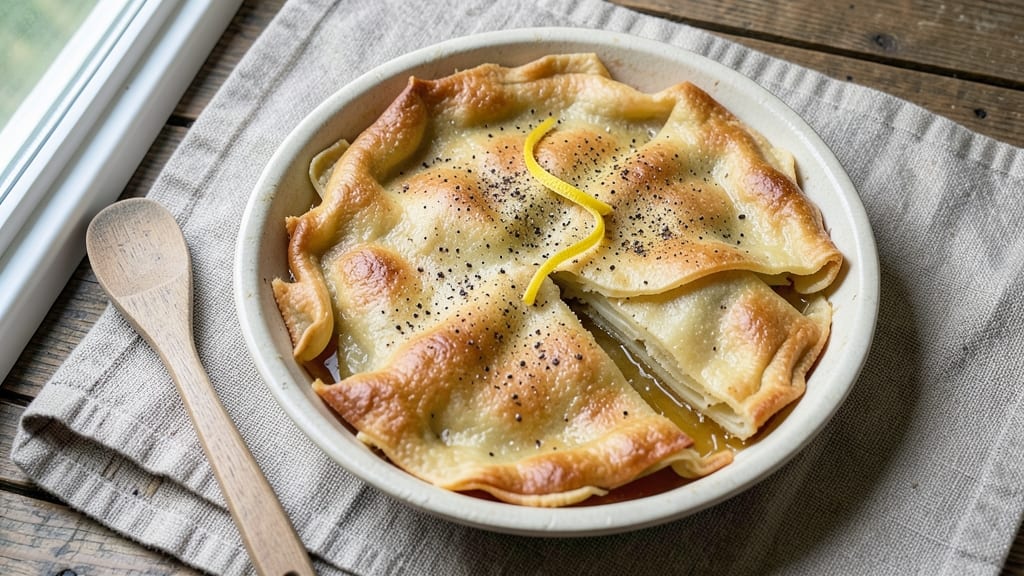
This salt-free pie crust recipe delivers the same flaky, golden perfection without relying on sodium—proof that great pastry doesn’t need salt to shine.
The secret lies in balancing cold butter with high-quality flour and a touch of acidity (lemon zest or vinegar) to enhance natural flavor while keeping the sodium levels at zero.
I developed this after years of baking for guests with dietary restrictions, and it’s now my go-to for any pie—savory or sweet.
What makes this crust work is the cold butter technique, where fat stays in solid chunks during mixing, creating those signature flaky layers.
We replace salt with a blend of black pepper, garlic powder, and a pinch of onion powder for subtle depth, while a splash of apple cider vinegar adds brightness without altering the texture. The result? A crust so tender and rich that even salt-lovers won’t notice its absence.
By the time it emerges from the oven, you’ll have a golden, crisp-edged crust with a delicate crumb—perfect for apple, pumpkin, or even savory quiche. The key is not overworking the dough and letting it rest properly, which allows the gluten to relax and the butter to distribute evenly.
This crust holds its shape under fillings while maintaining that melt-in-your-mouth tenderness.
Pair it with your favorite filling, whether it’s classic pumpkin spice, a tangy berry compote, or a hearty chicken pot pie. The beauty of this recipe is its versatility—it works for any occasion, from holiday dinners to weeknight desserts, all while keeping sodium in check. Let’s get baking!
Ingredients for salt free pie crust
Nine simple ingredients for a flaky, golden crust without any sodium.
| Ingredient | Amount | Notes |
|---|---|---|
| All-Purpose Flour 🌾 | 2 ½ cups | Sifted for light texture |
| Unsalted Butter 🧈 | 1 cup | Cold, cubed, not softened |
| Ice Water 💧 | ½ cup | Chilled for binding |
| Apple Cider Vinegar 🍎 | 1 tbsp | For brightness and acidity |
| Black Pepper 🌶️ | ½ tsp | Freshly ground for depth |
| Garlic Powder 🧄 | ¼ tsp | For subtle savory note |
| Onion Powder 🧅 | ¼ tsp | Enhances flavor without salt |
| Lemon Zest 🍋 | 1 tsp | Brightens flavor naturally |
| Granulated Sugar 🍬 | 2 tbsp | Balances acidity |
The butter is non-negotiable—use cold, unsalted sticks straight from the fridge. Most grocery stores carry Land O’Lakes or Plugrá, but any high-quality brand works. If your butter’s been sitting out, pop the cubes in the freezer for 10 minutes. The flour should be all-purpose, not self-rising or whole wheat—this keeps the texture light. I always grab a 5-pound bag from King Arthur Flour when I’m baking a lot, but the regular supermarket stuff is fine for a single crust. Sift it before measuring to avoid dense pockets.
No apple cider vinegar? White vinegar or lemon juice at the same amount works in a pinch. Short on lemon zest? A splash of lemon juice (1 tsp) adds brightness without the texture. The spices can be adjusted—smoked paprika for a savory twist or cinnamon for sweet pies. If your butter’s too soft, chill the dough for 30 minutes before rolling. And trust me, don’t skip the ice water—it’s what binds everything together without needing salt.
Wrap the dough tightly in plastic and refrigerate for at least 2 hours (overnight is best). This rest time is crucial for flakiness. The dough can be frozen for up to 3 months—just thaw in the fridge before using. For a crispier crust, brush the top with egg wash (or plant-based milk for vegan) before baking. Leftovers? Reheat in a 375°F oven for 10 minutes to restore crispness—nothing beats fresh, but this works in a bind.
Why You'll Love This Recipe
- No-Measurement Guesswork: I swear by this crust—just flour, cold butter, and ice water. The vinegar and pepper add depth without salt, and honestly? The dough comes together faster than my coffee brews. No scales, no fuss, just instinct.
- Butter’s Richness Shines: That unsalted butter? Pure, unadulterated flavor. The vinegar cuts through the richness just enough, while the black pepper adds a subtle warmth. It’s the kind of crust that makes you forget it’s "salt-free"—until someone asks why it’s so good.
- Pie or Pot Pie: Use it for classic apple pie, or fold it into a pot pie with whatever veggies you’ve got. The same dough works for savory or sweet—just adjust the filling. My freezer’s always stocked with these crusts because they’re my secret weapon for lazy Sundays.
- Budget-Friendly Staples: Flour, butter, vinegar—these are ingredients I already have. No specialty items, no markups, just reliable, cost-effective baking. And because it keeps well, I make a double batch and freeze half. Less waste, more pie.
Step-by-step instructions for salt-free pie crust
Here's how to create a perfectly flaky crust without any salt—simple techniques for big results.
Mix Dry Ingredients for Maximum Flakiness
In a large bowl, combine the 2.5 cups all-purpose flour, 0.5 teaspoon black pepper, 0.25 teaspoon garlic powder, 0.25 teaspoon onion powder, 1 teaspoon lemon zest, and 2 tablespoons granulated sugar. Whisk gently to distribute the spices and zest evenly through the flour. This step ensures balanced flavor without relying on salt.
I like to use a whisk for this part—it prevents overmixing, which can develop gluten and make the crust tough. The lemon zest and sugar will brighten the crust while the spices add subtle depth. Don't worry if the mixture looks uneven at this stage; everything will come together in the next step.
Cut in Cold Butter for Perfect Layers
Add the 1 cup cold, cubed unsalted butter to the flour mixture. Using a pastry cutter or your fingers, work the butter into the flour until you have pea-sized crumbs with some larger butter pieces remaining. This is crucial—you want some butter pieces to stay intact so they create steam when baked, resulting in those signature flaky layers.
Here's the thing—if the butter gets too warm, it will melt completely and you'll lose that flaky texture. Keep everything cold by working quickly and using your hands to press the butter into the flour rather than chopping. You should end up with a mixture that looks like coarse sand with some visible butter pieces.
Add Vinegar and Ice Water Gradually
In a small bowl, mix together the 0.5 cup ice water and 1 tablespoon apple cider vinegar. The vinegar acts as a natural binder and adds a subtle tang that complements the spices. Add this mixture to the flour-butter mixture, 1 tablespoon at a time, gently stirring with a fork until just combined.
Don't overwork the dough—just mix until the dough comes together when pressed. It should hold when you squeeze a small amount, but not be sticky. If it's too dry, add a few drops more of the ice water mixture. The cold water is key here; it helps create those beautiful flaky layers by keeping the butter solid during baking.
Chill the Dough for Easier Handling
Shape the dough into a disk, wrap it tightly in plastic wrap, and refrigerate for at least 1 hour. This chilling step is essential—it firms up the dough, making it easier to roll out without tearing. It also allows the gluten to relax, which prevents shrinking in the oven.
I know it's tempting to skip this step, but trust me—it makes a huge difference. The dough should be cold and firm when you take it out of the refrigerator. If you're in a hurry, you can chill it for 30 minutes in the freezer, but I recommend the full hour for best results.
Roll and Blind-Bake for Perfect Results
Preheat your oven to 375°F. On a lightly floured surface, roll out the chilled dough to fit your pie dish, about 1/8-inch thick. Gently fold the edges to create a double thickness, which prevents shrinking. Transfer the dough to your pie dish and trim any excess.
For a classic blind-baked crust, line the dough with parchment paper, fill it with pie weights or dried beans, and bake for 15 minutes. Remove the weights and bake for another 10-15 minutes until the edges are golden brown and the crust is firm to the touch. The parchment prevents puffing and ensures even baking. If you're filling the crust immediately, you can skip the blind-baking step and proceed directly to filling.
Pro Tips For Making Salt Free Pie Crust
- Chill the Butter First: I learned this the hard way—using cold butter straight from the fridge makes the crust flaky, but room-temperature butter turns into a greasy mess. Cut those ½-inch cubes of unsalted butter and let them sit in the freezer for 10 minutes before mixing. This keeps the dough workable without losing that perfect layering.
- Mix with Ice Water: The vinegar and pepper are great, but don’t skip the ice water. Use actual ice cubes or water straight from the freezer—this keeps the dough cold longer, preventing gluten from overdeveloping. I used to use warm water, and my crust always turned out tough. Trust me, the ice makes all the difference.
- Skip Overworking the Dough: This isn’t the prettiest method, but it’s the tastiest. Once the flour and butter are mixed, resist the urge to knead. Just press the dough together lightly—it should look shaggy. Overworking it makes the crust dense, and nobody wants a brick for dessert.
- Let It Rest Before Rolling: Give it a solid 20-30 minutes in the fridge before rolling. I know, I know—you’re eager to get baking—but this step relaxes the gluten and keeps the crust from shrinking. Roll it out on a floured surface, and you’ll get that even, golden-brown base you’re after.
Perfect pairings for these flavors
Sweet Fillings
This salt-free crust pairs beautifully with classic sweet fillings like apple pie or peach cobbler.
For apple, use a mix of Granny Smith and Honeycrisp apples with 1/3 cup brown sugar, 1 tsp cinnamon, and a splash of apple cider vinegar—the same vinegar used in the crust ties the flavors together.
A pumpkin pie with 1 can (15 oz) pumpkin puree, 1/2 cup coconut milk, and 2 tbsp maple syrup works wonderfully too. The crust’s subtle lemon zest and sugar complement the richness of sweet fillings without overpowering them. 🍎
Savory Options
Don’t overlook savory pies! A quiche Lorraine with 6 eggs, 1 cup heavy cream, 1/2 lb bacon, and 1 cup shredded Gruyère becomes a star. The crust’s black pepper and garlic powder enhance the savory flavors, while the vinegar adds a touch of brightness.
For a vegetarian option, try a spinach and ricotta pie with 10 oz fresh spinach, 15 oz ricotta, and 1/2 cup grated Parmesan. The crust’s subtle depth makes it perfect for hearty fillings. 🧀
Herb-Infused Variations
Swap the spices for 1 tsp dried rosemary and 1/2 tsp thyme to create a crust perfect for savory herb pies or roasted vegetable tarts. Add 1/4 cup chopped fresh herbs to the filling—like sun-dried tomatoes and goat cheese—for an elegant appetizer.
For a herb crust with sweet fillings, try 1/2 tsp dried lavender (sparingly!) with a blackberry compote for a floral twist. The herbs add complexity without needing salt. 🌿
Gluten-Free Adaptation
For a gluten-free version, replace the all-purpose flour with 1 1/2 cups gluten-free 1:1 baking flour (like Bob’s Red Mill) and add 1/4 cup cornstarch for structure. Keep all other ingredients the same, but expect the dough to be slightly crumbly—handle it gently when rolling.
Pair it with berry fillings or savory mushroom ragout to highlight its delicate texture. The crust holds up well with moist fillings like chocolate cream pie or leek and Gruyère tart. 🍫
Seasonal Pairings
Summer calls for berry pies—use 2 cups mixed berries, 2 tbsp honey, and 1 tbsp cornstarch for a foolproof filling. In fall, a sweet potato pie with 1 1/2 cups mashed sweet potatoes, 1/2 cup coconut milk, and 1/4 cup maple syrup is a crowd-pleaser.
Winter pies like pecan (with 1 cup chopped pecans, 1/2 cup brown sugar, and 2 tbsp bourbon) or chestnut (with 2 cups cooked chestnuts and 1/4 cup cream) shine with the crust’s warm spices.
Plan ahead—some fillings, like pumpkin or sweet potato, taste even better after chilling overnight. ❄️
Nutrition facts
Frequently asked questions
Can I use this salt-free crust for savory pies like quiche?
The crust's black pepper, garlic powder, and onion powder make it ideal for savory pies. For quiche, the spices enhance the filling's flavors without needing salt. Just brush the baked crust with a little olive oil before adding your egg mixture for extra richness.
What's the best way to store leftover crust?
Wrap the unused dough tightly in plastic wrap and refrigerate for up to 3 days, or freeze for 3 months. For baked crust, cool completely, then store in an airtight container at room temperature for 2 days. Reheat in a 375°F oven for 10 minutes to restore crispness.
Can I make this crust without vinegar?
Yes, but the flavor will be less bright. Substitute with 1 tablespoon lemon juice or 1 teaspoon white vinegar. The acidity helps bind the dough and balances the spices, so don't skip it if possible. If you're avoiding all acids, add an extra 1/2 teaspoon lemon zest.
Why does my crust turn out tough instead of flaky?
Overworking the dough or using warm butter are the most common causes. Keep everything cold, work quickly, and avoid handling the dough more than necessary. The butter should remain in pea-sized pieces when mixed—if it melts completely, your crust will lose its signature flakiness.
How do I adapt this for a vegan crust?
Replace the butter with 1 cup vegan butter or coconut oil (solid) and use plant-based milk instead of ice water. The vinegar can stay the same, but check that all other ingredients are vegan-certified. The texture remains excellent with these substitutions.