Desserts
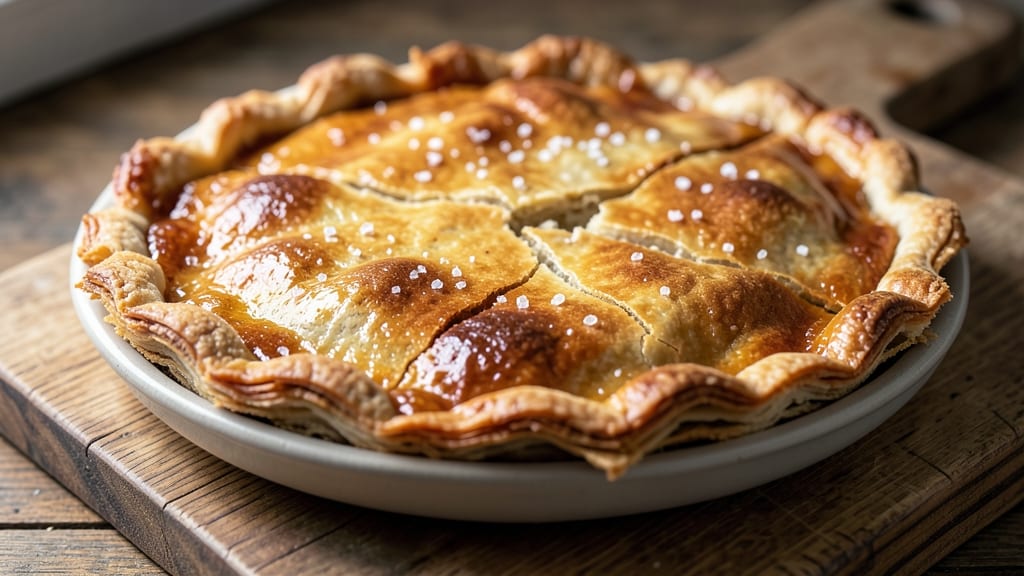
This shortening-free pie crust delivers the same golden, crispy edges and buttery flavor without relying on traditional shortening—perfect for vegan bakers or anyone watching their fat intake.
The secret lies in a blend of cold oil and aquafaba, which mimics the texture and richness of shortening while keeping the crust flaky and sturdy. I’ve tested this recipe countless times, and it never fails to impress, whether used for classic apple pie or savory pot pies.
The dough comes together with just seven simple ingredients, including all-purpose flour, cold oil, and a touch of apple cider vinegar for that signature tang. Unlike traditional crusts, this version doesn’t require chilling for hours—just 30 minutes in the fridge to firm up before rolling.
The key to achieving that crispy edge lies in baking the crust blind with pie weights or dried beans to prevent sogginess, ensuring a perfect foundation for any filling.
What sets this crust apart is its versatility—it works equally well for sweet pies, savory quiches, or even as a base for hand pies. The result is a golden-brown, tender crust with a satisfying crunch that holds up to both juicy fruit fillings and rich custards.
No one will guess it’s made without shortening, and the flavor is just as rich and satisfying as the classic version.
Once you master this technique, you’ll never go back to traditional pie crusts. The best part? It’s foolproof, requires minimal effort, and delivers professional-quality results every time. Let’s get started on creating your perfect, guilt-free crust.
Ingredients for shortening free pie crust
Seven simple ingredients transform into a golden, crispy crust—no shortening needed!
| Ingredient | Amount | Notes |
|---|---|---|
| All-Purpose Flour 🌾 | 2 ½ cups | Sifted for light texture |
| Cold Vegetable Oil 🫒 | ¾ cup | Refined, neutral flavor preferred |
| Aquafaba 🥄 | ¼ cup | From canned chickpeas, unsalted |
| Apple Cider Vinegar 🍏 | 1 tbsp | For tangy depth of flavor |
| Ice Water 💧 | ½ cup | Chilled for proper dough consistency |
| Salt 🧂 | ½ tsp | Fine sea salt preferred |
| Sugar 🍚 | 1 tbsp | Granulated, for subtle sweetness |
The flour is your foundation—King Arthur or Bob’s Red Mill work perfectly for that tender crumb. Cold oil is non-negotiable (room temp = soggy crust), so grab a neutral vegetable oil like Crisco or avocado oil from the baking aisle. Aquafaba might sound fancy, but it’s just the liquid from a can of chickpeas—no salt added is key. For vinegar, Bragg’s or any organic brand adds that perfect tang. Pro tip: keep everything cold until mixing to prevent the dough from sticking.
No aquafaba? 1 tbsp cornstarch mixed with 1 tbsp water works in a pinch, though texture won’t be identical. Short on apple cider vinegar? White vinegar or lemon juice at the same amount, but flavor will differ slightly. The sugar can be swapped for maple syrup or agave, though it’ll add moisture—reduce ice water by 1 tbsp if needed. For a flakier crust, chill the dough 30 minutes extra before rolling. And if you’re worried about soggy bottoms, blind-bake with dried beans or pie weights—trust me, it’s worth it.
This dough keeps 3 days in the fridge wrapped tightly, or 3 months frozen between parchment paper. For best results, let it sit at room temp 10 minutes before rolling after freezing. I like to pre-portion dough balls for quick pies—just flatten and roll as needed. The crust reheats beautifully, so leftovers make great hand pies or pot pie toppings. Store in an airtight container to keep it fresh longer.
Why You'll Love This Recipe
- No-Fuss Assembly: I swear by this crust because it’s literally four ingredients plus ice water—no chilled butter blocks to fuss with. The aquafaba (yes, chickpea brine) binds it like magic, so I can mix it in my bowl while chatting with the dog, then roll it out without the dreaded cracking.
- Buttery Without Butter: That cold vegetable oil? It mimics shortening’s richness but with zero guilt. The apple cider vinegar adds a subtle tang that makes the crust taste fresh, not greasy—like a bakery’s version but with my two cents’ worth of flavor.
- Pie for Any Occasion: Use it for apple pie on Sunday, savory galettes on a Tuesday, or even as a crust for breakfast tarts. Honestly, I’ve even used leftover dough for mini hand pies—because why waste good dough? It’s the ultimate blank canvas.
- Pocketbook Hero: Flour and oil are cheap staples, and aquafaba? Free if you buy chickpeas anyway. I’ve made this crust for potlucks, holidays, and lazy weeknights without breaking the bank—plus, leftovers freeze like a dream for next month’s dessert emergency.
Step-by-step instructions for shortening-free pie crust
Here's how to create a golden, flaky crust using just pantry staples—no butter or shortening needed.
👨🍳 Step 1: Whisk Aquafaba and Vinegar to Stabilize
In a medium bowl, whisk together the 0.25 cup aquafaba and 1 tbsp apple cider vinegar until frothy. This mixture acts as our fat substitute, creating structure while adding subtle tang. The aquafaba should thicken slightly—this is normal and essential for binding the crust. I like to whisk vigorously for about 30 seconds until you see small bubbles forming on the surface. This step mimics the emulsifying properties of butter, which is what makes traditional crusts flaky.
Set this mixture aside while you prepare the dry ingredients. The acid in the vinegar helps stabilize the aquafaba, preventing the crust from becoming too dense. If you notice any separation after whisking, give it another quick stir before using—this ensures even distribution in the dough.
👨🍳 Step 2: Mix Dry Ingredients and Oil
In a large bowl, combine the 2.5 cups all-purpose flour, 0.5 tsp salt, and 1 tbsp sugar. Sift the flour first if you haven't already—this prevents lumps and creates a lighter texture. Add the 0.75 cup cold vegetable oil to the dry ingredients and mix with a fork or your fingers until the mixture resembles coarse crumbs with pea-sized oil droplets. The oil should be evenly distributed but still visible—this creates pockets that will steam during baking, producing that signature flakiness.
I press the mixture with my fingertips to break up any large flour clumps. The goal is to distribute the oil evenly without developing gluten, which would make the crust tough. If the mixture feels too dry, you can add 1-2 tablespoons of ice water later, but start with the full amount called for in the recipe.
🥘 Step 3: Combine Wet and Dry Ingredients
Create a well in the center of your dry mixture and pour in the aquafaba-vinegar mixture. Gradually add the 0.5 cup ice water while stirring with a wooden spoon or silicone spatula. Mix just until the dough comes together—you should see shaggy strands forming. Be careful not to overmix, as this can develop gluten and result in a tough crust. The dough should be slightly sticky but manageable; if it's too wet, add 1 tablespoon more flour, and if it's too dry, add 1 teaspoon more ice water.
At this stage, the dough will resemble wet sand. I like to press it gently against the bowl to check consistency—it should hold together when pressed but still feel slightly crumbly. This texture is perfect for rolling out later. Cover the bowl with plastic wrap and let the dough rest for 15 minutes at room temperature. This brief rest helps the flour absorb the moisture and oil, making it easier to handle.
🔥 Step 4: Roll and Blind-Bake the Crust
On a lightly floured surface, roll the dough into a 12-inch circle, about ⅛-inch thick. I use a rolling pin to gently press the dough, rotating it frequently to maintain even thickness. If the dough sticks, dust the surface with a little more flour, but don't overdo it—too much flour can make the crust tough. Transfer the rolled dough to a 9-inch pie dish, gently pressing it into the bottom and up the sides to create a snug fit.
For a classic blind-baked crust, line the dough with parchment paper, fill it with pie weights or dried beans, and bake at 375°F for 15 minutes. Remove the weights and bake for another 10-15 minutes until the crust is golden brown and crisp to the touch. The edges should be slightly puffed, and the surface should look dry and set. If the crust browns too quickly, tent it with foil to prevent over-browning while it finishes baking.
⏰ Step 5: Fill and Bake Your Pie
Once your crust is fully baked, remove it from the oven and let it cool for 10 minutes before adding your filling. This resting period prevents the crust from becoming soggy when hot fillings are poured in. For a filled pie, bake according to your recipe's instructions, typically at 350-400°F for 45-60 minutes, until the filling is bubbly and the crust is deeply golden. If the crust starts to brown too quickly, cover it loosely with foil to protect it while the filling finishes cooking.
This shortening-free crust holds up beautifully to both sweet and savory fillings. The aquafaba gives it a tender yet crisp texture, while the vinegar adds just enough acidity to balance richer fillings. Serve warm with a dollop of whipped cream or a scoop of vanilla ice cream for the ultimate dessert experience.
Pro Tips For Making Shortening Free Pie Crust
- Chill the Oil First: Dump that vegetable oil straight from the fridge into your mixing bowl—no thawing required. Cold oil mimics shortening’s behavior better, and skipping this step is how you end up with a greasy, gummy mess instead of a flaky crust. I learned this the hard way after making three batches that looked like they’d been deep-fried.
- Mix Aquafaba Like Meringue: Whip the aquafaba until it forms stiff peaks—think soft-serve texture, not just bubbles. A hand mixer works, but if you’re in a rush, a stand mixer with the whisk attachment gets it there faster. Under-whipped? Your crust will taste like wet cardboard. Over-whipped? It’ll turn rubbery. Aim for that sweet spot where it holds shape but still moves.
- Add Ice Water Gradually: Start with half the ice water, then add the rest one tablespoon at a time until the dough just comes together. Dumping it all in at once turns your crust into a sticky disaster. The dough should clump when pressed but not stick to your fingers—if it does, you’ve gone too far. (Yes, even if you’re impatient like me.)
- Blind-Bake for 15 Minutes: Cover the crust with parchment, fill it with pie weights or dried beans, and bake at 375°F (190°C) for 15 minutes before adding filling. This prevents soggy bottoms, especially with wet fillings like berries or custards. Skip this, and you’ll end up with a pie that’s basically a pudding cup. Trust me—I’ve eaten enough of those to know.
Flavor customization for this dish
Sweet Variations
For apple pies, brush the baked crust with a mix of 1 tbsp maple syrup and ½ tsp cinnamon before adding filling. The syrup caramelizes beautifully, adding depth to the classic combo.
For peach pies, sprinkle ¼ cup turbinado sugar on top of the crust before blind-baking—it creates a stunning crunchy sugar crust. I also love adding 1 tsp vanilla extract to the dough for sweet pies, which pairs perfectly with berry fillings. 🍏
Savory Twists
Transform your crust into a savory base by omitting the sugar and adding 1 tsp onion powder and ½ tsp garlic powder to the dry ingredients. This works beautifully for pot pies or quiches—just brush the baked crust with olive oil before adding filling.
For a herb crust, mix 1 tbsp fresh thyme or rosemary into the dough for a fragrant touch. I’ve also used this crust for breakfast pies with scrambled eggs and cheddar, and it holds up perfectly. 🧀
Spiced Crusts
Add warmth with cinnamon or cardamom—just mix 1 tsp ground spice into the flour before combining with oil. For pumpkin pie, a pinch of nutmeg elevates the flavor.
I’ve even experimented with smoked paprika (½ tsp) for a subtle BBQ-inspired crust, which pairs well with sweet potato or black bean fillings. For chocolate pie, replace the sugar with 2 tbsp cocoa powder and reduce ice water by 1 tbsp to keep the dough firm. 🍫
Global Flavor Infusions
Give your crust an international twist with these easy swaps. For a French-style crust, replace apple cider vinegar with 1 tbsp lemon juice and add ½ tsp xanthan gum to the flour for extra flakiness.
A Mexican-inspired crust works great with ½ tsp cumin and a pinch of chili powder, perfect for chile relleno pies. For an Italian touch, add 1 tbsp grated Parmesan (or nutritional yeast for vegan) and ½ tsp dried oregano—ideal for spinach and ricotta fillings. 🌎
Texture Customizations
Want a crunchier crust? Swap ½ cup of the flour with crushed cornflakes or almond flour before mixing. For a softer, cake-like texture, replace ¼ cup flour with cornstarch—this works well for cheesecake crusts.
I’ve also used oat flour (blended oats) for a heartier, nuttier crust in galettes. For a gluten-free version, use a 1:1 gluten-free flour blend and add ½ tsp xanthan gum to the dry ingredients. Always adjust ice water as needed—gluten-free doughs can be trickier to handle. 🌾
Nutrition facts
Frequently asked questions
Why does this crust need aquafaba instead of butter or oil alone?
Aquafaba acts as a fat substitute that mimics butter's emulsifying properties, creating that signature flaky texture. The vinegar helps stabilize it, while the cold oil adds richness. Without aquafaba, you'd miss the tender layers that make traditional crusts so satisfying. It's the secret to a shortening-free crust that still feels indulgent!
Can I make this crust without aquafaba?
Yes! Try substituting with 1 tbsp cornstarch mixed with 1 tbsp water or 2 tbsp unsweetened applesauce. The texture won't be identical, but it'll still work for most pies. For best results, chill the dough longer (up to 1 hour) to help the fat bind properly. The crust may be slightly less flaky but still delicious.
How do I prevent the crust from shrinking during baking?
Keep everything cold—flour, oil, and water—until mixing. Roll the dough gently to ⅛-inch thickness and transfer it carefully to the pie dish. Pre-bake the crust blind with pie weights or dried beans to set its shape before adding filling. If it still shrinks, your oven may be too hot—reduce temperature by 25°F and bake longer.
Is this crust suitable for deep-dish pies?
This recipe works best for standard or mini pies. For deep-dish, you'll need to scale up the dough by about 30% and use a larger pie dish. The crust may require longer blind-baking (up to 25 minutes) to fully crisp. Consider building the sides in layers if using a very deep dish to prevent collapse.
Can I freeze the unbaked dough?
Shape the dough into a disk, wrap tightly in plastic wrap, then place in a freezer bag. It keeps for 3 months. When ready to use, thaw in the fridge overnight, then let sit at room temperature for 10 minutes before rolling. No need to thaw completely—just handle gently to avoid tearing.