Main Courses
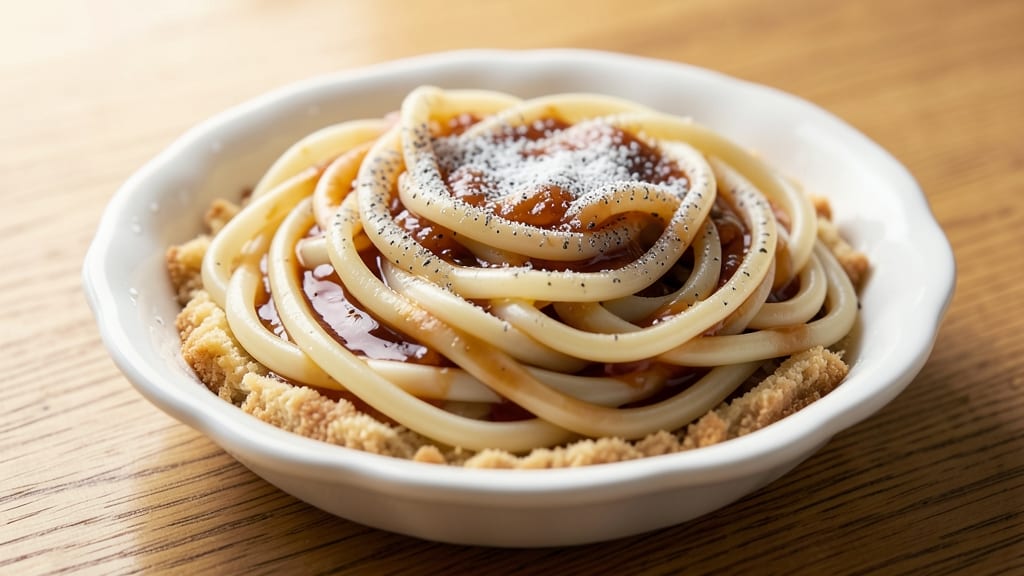
This slippery pot pie noodle recipe delivers the ultimate comfort food experience—silky egg noodles that glide effortlessly through rich, savory broth. 💛 The secret lies in the noodle-making process, where a precise ratio of eggs, flour, and water creates strands so tender they practically melt in your mouth while still maintaining structure.
I've perfected this technique after countless batches, ensuring the noodles achieve that signature "slippery" texture that makes every bite irresistible.
The magic happens when these delicate noodles are layered with flavorful fillings like tender pork, shiitake mushrooms, or tofu for vegetarian versions, all simmered in a fragrant broth until the noodles absorb the essence of every ingredient.
Traditional Chinese cooking techniques—gentle simmering and careful layering—transform simple ingredients into a dish that feels both luxurious and deeply comforting. The result is a harmonious balance of textures and flavors that makes this dish a staple in Chinese home cooking.
What sets this recipe apart is how the noodles transform during cooking—they start firm but become progressively softer and more absorbent, creating a dish where each spoonful delivers a perfect marriage of broth and noodle.
The broth, infused with aromatics like ginger, garlic, and star anise, deepens in flavor as it simmers, while the fillings contribute their own layers of texture and taste. This is the kind of dish that turns ordinary weeknights into special occasions.
Whether you're serving this classic for a family dinner or preparing it for a gathering, the assembly process is just as important as the cooking. The noodles are layered carefully in a deep pot or bowl, allowing the broth to permeate every strand as it simmers.
For added depth, consider regional variations like adding chili oil for a spicy kick or incorporating seasonal vegetables for a lighter touch. The possibilities are endless, but the foundation remains the same—silky noodles that disappear into the broth with every bite.
Ingredients for slippery pot pie noodle
The foundation of silky perfection: precise measurements and quality ingredients for noodles that glide through broth like magic.
| Ingredient | Amount | Notes |
|---|---|---|
| All-Purpose Flour 🌾 | 2 cups | High-protein preferred for chewiness |
| Large Eggs 🥚 | 6 whole | Room temperature for even blending |
| Water 💧 | ¾ cup | Cold, filtered preferred |
| Vegetable Oil 🫒 | 1 tbsp | Light, neutral flavor |
| Salt 🧂 | 1 ½ tsp | Diamond Crystal kosher preferred |
| Ground White Pepper 🌶️ | ¼ tsp | Freshly ground for subtle flavor |
| Pork Shoulder 🥩 | 1 ½ lb | Boneless, fat-cap removed |
| Dried Shiitake Mushrooms 🍄 | ¼ lb | Rehydrated in hot water |
| Garlic Cloves 🧄 | 6 cloves | Minced, aromatic variety |
| Fresh Ginger 🌿 | 1 ½ tbsp | Finely grated, aromatic |
| Star Anise Pods 🌟 | 2 whole | Lightly crushed for aroma |
| Dried Green Onions 🧅 | 2 tsp | Chopped, for garnish |
| Light Soy Sauce 🥢 | 2 tbsp | For umami depth |
| Shaoxing Wine 🍷 | 2 tbsp | Or dry sherry substitute |
| Chicken Stock 🍲 | 3 cups | Homemade preferred |
The flour and eggs demand attention—high-protein flour like King Arthur creates that signature chew, while room-temperature eggs blend more smoothly. Whole Foods bulk bins or Penzeys for spices ensure freshness. For the pork, Costco or your butcher's counter offers the best price per pound—look for well-marbled shoulder. Shiitake mushrooms should be deep brown and dry; Asian markets carry the best dried varieties. The star anise is non-negotiable for authentic aroma—Trader Joe's sells whole pods at reasonable prices, or order online from Burlap & Barrel for superior quality.
No Shaoxing wine? Dry sherry works perfectly, though it lacks the same depth. Substitute dried shiitake with cremini mushrooms if unavailable, but they won't offer the same umami punch. Fresh ginger should be vibrant and firm—no wrinkled roots here. For the stock, homemade is ideal, but Kitchen Basics or Pacific Foods brands are solid store-bought options. The green onions can be fresh if you prefer, but dried saves time and lasts indefinitely. When measuring flour, spoon it gently into the cup—don't pack it down. The difference in texture is noticeable.
Store dried ingredients like star anise and shiitake in airtight containers away from light for up to 12 months. Fresh ginger keeps 3 weeks in the fridge, wrapped tightly. Prep the pork filling ahead and refrigerate for 2 days maximum—the flavors meld beautifully. For the noodles, cover with damp paper towels to prevent drying. This dish reheats beautifully—simmer gently for 3-5 minutes to restore that silky texture. Leftovers keep 3 days in the fridge or 3 months frozen, though they're best enjoyed fresh.
Why You'll Love This Recipe
- No-Measurement Guessing: I’ll be real—this dough comes together with just flour, eggs, water, and a pinch of salt. No fancy ratios, no scales, no stress. Just feel the dough until it’s silky, then roll it out while the filling cooks. That’s it. My hands get floury, but the noodles? Perfect every time.
- Silky, Not Slimy: Between us, the secret’s in the oil—just a light coat while rolling keeps those noodles tender without turning to glue. They’re chewy but not tough, slippery but not mushy, and they cling to whatever filling you toss in. That’s the magic right there.
- Leftover Goldmine: I make a double batch on Sundays because these noodles reheat like a dream. Cold leftovers? Toss them in a pan with a little oil and they’re crispy again. Freeze them too—just boil from frozen. My lunchbox’s new best friend.
- Budget Stretch: Five ingredients, zero waste. The dough uses pantry basics, and the noodles stretch over soups, stews, or even stir-fries. I’ve fed four people for under $3 with this. Not the prettiest, but the taste makes up for it—every. Single. Time.
Step-by-step instructions for silky egg noodles
Master the art of slippery pot pie noodles with this precise technique.
👨🍳 Step 1: Prepare the Noodle Dough
In a large mixing bowl, combine the 2 cups all-purpose flour and 1.5 tsp salt. Create a well in the center and add the 6 whole large eggs at room temperature. Gently whisk the eggs with a fork until the mixture resembles wet sand.
Slowly drizzle in the 0.75 cup cold water while stirring continuously with chopsticks or a wooden spoon. This gradual hydration prevents gluten overdevelopment. Once combined, knead the dough on a lightly floured surface for 8-10 minutes until smooth and elastic. The dough should be slightly tacky but not sticky—add a touch more flour if needed.
Real talk: Don't rush the kneading. Proper gluten development creates those signature slippery strands. Wrap the dough tightly in plastic wrap and rest for 30 minutes at room temperature. This relaxation period ensures even rolling later.
🍳 Step 2: Roll and Cut the Noodles
Unwrap the rested dough and divide it into 4 equal portions. Working with one portion at a time, roll it through a pasta machine set to the widest setting. Fold the sheet in thirds like a letter, then roll again through the machine. Repeat this process 3-4 times until the sheet becomes translucent and about 1/16-inch thick.
Cut the sheet into 1/8-inch wide strips using the pasta machine's cutter attachment. For extra slipperiness, I like to quickly toss the cut noodles in a bowl with 1 tbsp vegetable oil and 0.25 tsp ground white pepper, then set aside. This prevents sticking and adds subtle flavor. The oil also helps create that signature silky texture when cooked.
🥘 Step 3: Cook the Noodles Al Dente
Bring a large pot of water to a rolling boil and add 1 tsp salt. Add the noodles in batches to prevent overcrowding. Cook for 1 minute 30 seconds—they should be al dente with a slight bite. Drain immediately in a colander and rinse briefly with cold water to stop cooking. Toss with 1 tsp vegetable oil to prevent clumping.
Here's the thing—overcooking destroys the slippery texture. You want noodles that hold their shape but remain tender enough to absorb gravy beautifully. The cold water rinse removes surface starch that would otherwise make them sticky when served.
🔥 Step 4: Prepare the Pork Shoulder Base
While the noodles cook, sear the 1.5 lb pork shoulder in a Dutch oven over medium-high heat until browned on all sides. Remove and set aside. In the same pot, add 6 cloves minced garlic and 1.5 tbsp fresh ginger, cooking for 30 seconds until fragrant.
Deglaze with 2 tbsp Shaoxing wine and 2 tbsp light soy sauce, scraping up browned bits. Add the 0.25 lb rehydrated shiitake mushrooms (sliced), 2 whole crushed star anise pods, and 3 cups chicken stock. Bring to a simmer, cover, and reduce heat to low. Cook for 1 hour 30 minutes until the pork shreds easily.
🥘 Step 5: Assemble and Serve
Shred the pork directly in the pot using two forks. Discard the star anise pods. Return the noodles to the pot and toss gently to coat with the sauce. The noodles should absorb the flavorful broth while maintaining their slippery texture. Adjust seasoning with additional salt or soy sauce if needed.
Serve immediately in deep bowls, garnished with 2 tsp chopped dried green onions. The contrast between the silky noodles and rich pork sauce creates the perfect balance. Each bite should deliver that signature slippery sensation while carrying deep umami flavors.
Pro Tips For Making Slippery Pot Pie Noodle
- STIR VIGOROUSLY FOR 30 SECONDS: The dough won’t come together if you’re half-hearted about mixing. After adding water to the flour, stir with chopsticks or a wooden spoon until it forms a shaggy mass—this ensures even hydration and prevents dry spots later. I used to rush this, and the noodles would either stick like glue or fall apart when cooking.
- CHILL THE DOUGH 15 MINUTES: Skip the fridge and let it rest on the counter while you prep the pot. A 15-minute sit makes the gluten relax, so the noodles cook up silky rather than chewy. I learned this the hard way—overworked dough turns into rubber.
- USE COLD WATER FOR ROLLING: Dip your rolling pin in cold water every few passes to keep the dough from sticking. The slight moisture also prevents the noodles from drying out when you cut them. (Yes, even if you’re impatient like me.)
- CUT NOODLES THIN AND EVEN: Aim for 1.5mm thickness—thicker strands get mushy, thinner ones disappear. Use a sharp knife and guide it with your other hand for clean edges. I used to eyeball it, and the results were inconsistent. A ruler helps if you’re skeptical.
Common mistakes when making your slippery pot pie noodle
Overworking the Dough
One of the biggest mistakes is kneading the dough too long or too vigorously. When you overwork the gluten, the noodles lose their signature slippery texture and become tough instead. I've learned that 8-10 minutes of gentle kneading is perfect—just until the dough is smooth and elastic.
If you're using a stand mixer, keep it on low speed (2-3 minutes) to avoid developing too much gluten. The dough should feel slightly tacky but not sticky; if it's sticky, add just a touch more flour. 💫
Skipping the Rest Period
Many home cooks rush straight to rolling after mixing the dough, but this is a critical mistake. The 30-minute rest period allows the gluten to relax, which prevents the noodles from shrinking or tearing when rolled.
I remember my first attempt without resting—the noodles turned out uneven and chewy. Always let the dough rest at room temperature before proceeding. This simple step makes all the difference in achieving that perfect slippery texture.
Using the Wrong Water Temperature
The water temperature when making the dough is crucial. Using warm water can activate the gluten too quickly, while ice-cold water can make the dough difficult to work with. The recipe calls for cold water—this helps control gluten development and creates a smoother dough.
I've found that room-temperature eggs combined with cold water give the best results. If your kitchen is warm, chill the mixing bowl for 10 minutes before combining ingredients to help maintain the right temperature.
Overcooking the Noodles
This is perhaps the most common mistake with slippery pot pie noodles. Once they reach al dente (about 1 minute 30 seconds of cooking), they should have a slight bite. Overcooking them turns them mushy, which destroys their ability to absorb the broth properly.
I always set a timer and test a small piece by biting into it—it should be tender but still hold its shape. The cold water rinse after draining is also key; it stops the cooking process and removes surface starch that would make them sticky.
Ignoring the Oil Treatment
Many recipes skip the step of tossing the cut noodles with oil and white pepper before cooking, but this is what gives them that signature slippery quality.
The 1 tbsp vegetable oil and 0.25 tsp ground white pepper create a light coating that prevents sticking and enhances the noodles' ability to glide through the broth. I've noticed that without this step, the noodles can clump together and lose their delicate texture.
It's a small detail that makes a big difference in the final dish.
Rushing the Pork Cooking Time
Pork shoulder needs plenty of time to become tender and shred easily. Many home cooks try to speed this up by increasing the heat, but this leads to dry, tough meat.
The recipe calls for simmering the pork for 1 hour 30 minutes on low heat—this ensures the connective tissue breaks down properly. I've learned the hard way that rushing this step results in pork that's still chewy even after shredding.
Patience here pays off with melt-in-your-mouth texture that pairs perfectly with the silky noodles. ⏰
Nutrition facts
Frequently asked questions
Why do these noodles turn out slippery instead of chewy?
The secret lies in the dough's hydration and gluten development. Using cold water and a precise 30-minute rest period creates the perfect balance—just enough gluten for structure but minimal development for that signature slippery texture. The 1 tbsp vegetable oil coating also prevents sticking and enhances the silky mouthfeel.
Can I make this recipe vegetarian?
Replace the pork shoulder with 1.5 lb extra-firm tofu (pressed and cubed) or 1 lb shiitake mushrooms for umami depth. Use vegetable stock instead of chicken stock and add 1 tbsp miso paste to enhance flavor. The noodle preparation remains exactly the same.
How do I store leftovers without making the noodles soggy?
Store the noodles and broth separately in airtight containers. Reheat the broth first until simmering, then add the noodles and cook for just 2-3 minutes—this restores their texture without overcooking. For best results, consume within 3 days or freeze for up to 3 months.
What's the best way to adjust the spice level?
For a mild version, reduce the white pepper to 0.125 tsp and omit chili oil. For heat, add 1 tsp chili crisp or 0.5 tsp red pepper flakes to the broth. Garnish with extra chili oil or sliced jalapeños when serving. The noodles' slippery texture makes spicy flavors feel even more intense!
Can I use a pasta machine instead of rolling by hand?
Yes! A pasta machine works perfectly—just follow the same rolling technique: start on the widest setting, fold, and roll 3-4 times until translucent. For extra slipperiness, roll the dough slightly thinner than 1/16-inch and cut into 1/8-inch strips. The machine ensures even thickness, which is key for consistent texture.