Main Courses
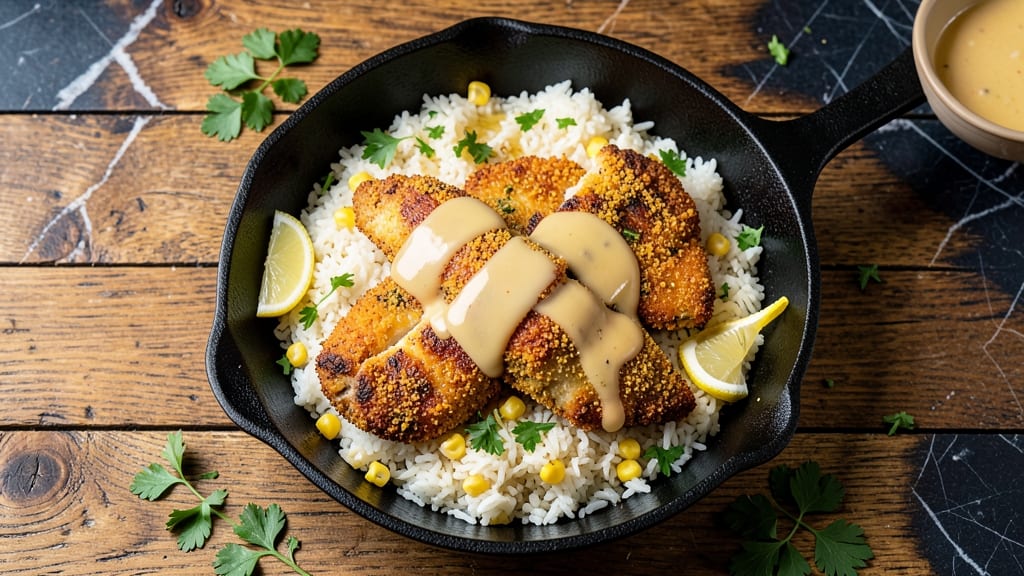
This Southern fried crappie recipe delivers the perfect balance of crispy cornmeal crust and juicy fillets that taste like they came straight from a Mississippi riverside kitchen.
The secret lies in a well-seasoned cornmeal batter that stays light yet sturdy, while high-heat frying ensures a golden exterior without overcooking the delicate fish inside. I developed this method after years of testing—because great fried fish isn't just about the frying, it's about the prep.
What sets this recipe apart is the careful balance of ingredients: a mix of cornmeal and flour creates that signature Southern crunch, while a pinch of cayenne and smoked paprika add depth without overpowering the fish's natural flavor.
The key to juicy fillets is patting them dry and seasoning them just before dredging—this ensures the crust adheres perfectly while keeping the meat tender. We'll use vegetable oil for frying, maintaining a steady 350°F temperature for even cooking.
By the time you're done, you'll have golden-brown crappie with a crisp crust that shatters at every bite, revealing tender, flaky fish beneath. The aroma alone will have everyone gathering around the table, and the first taste will confirm this is restaurant-quality fried fish—no shortcuts, just pure Southern comfort.
Serve with classic sides like buttery hush puppies or tangy coleslaw for the full experience.
This recipe works beautifully with other white fish fillets too, making it versatile for any seafood lover. The method scales easily for feeding a crowd, and leftovers reheat perfectly in the oven. Let's get started on creating your next perfect fried fish dinner.
Ingredients for southern fried crappie
The essential ingredients for Southern fried crappie—where crispy cornmeal meets tender, juicy fillets.
| Ingredient | Amount | Notes |
|---|---|---|
| Fresh Crappie Fillets 🐟 | 1 ½ lb | Skin-on, patted completely dry |
| Fine Yellow Cornmeal 🌽 | 1 cup | Stone-ground preferred for texture |
| All-Purpose Flour 🌾 | ½ cup | For lightness in batter |
| Vegetable Oil 🫒 | 4 cups | High smoke point for frying |
| Large Eggs 🥚 | 2 whole | Beaten for even coating |
| Dry White Wine 🍷 | ¼ cup | Substitute with fish stock if needed |
| Butter Milk 🥛 | ½ cup | For tangy flavor |
| Smoked Paprika 🌶️ | 1 tsp | For depth of flavor |
| Ground Cayenne Pepper 🔥 | ¼ tsp | Adjust for heat preference |
| Kosher Salt 🧂 | 1 ½ tsp | Diamond Crystal preferred |
| Ground Black Pepper 🌶️ | ½ tsp | Freshly ground |
| Garlic Powder 🧄 | ½ tsp | Not garlic salt |
| Lemon Wedges 🍋 | 2 whole | For serving |
The fillets are the foundation, so choose fresh crappie with firm, white flesh and minimal bruising. Local fish markets often have the freshest catch, but grocery stores with seafood counters (like Wegmans or H-E-B) carry quality fillets too. Pat them dry with paper towels—this step is non-negotiable for a good crust. If you can't find crappie, whitefish or tilapia work well as substitutes. The cornmeal should be fine, not gritty—Bob's Red Mill is a reliable brand for stone-ground quality. For the flour, any all-purpose brand works, but if you're feeling fancy, a low-protein flour like King Arthur's will give you an even lighter batter.
No white wine? Fish stock or even water will work, though the flavor won't be as bright. Butter milk can be swapped for plain yogurt thinned with milk if needed. The spices are where the magic happens—smoked paprika adds that classic Southern depth, while cayenne brings just enough heat. Penzeys or McCormick are solid choices for quality spices. If you're sensitive to heat, reduce the cayenne to 1/4 teaspoon or omit it entirely. The garlic powder is subtle but essential—don't skip it. For extra crispiness, add 1/4 cup crushed cornflakes to the cornmeal mix. The lemon wedges should be fresh; bottled juice won't cut it for serving.
Store any leftover fillets in an airtight container with a paper towel to absorb moisture—keeps them fresh for 2 days in the fridge. For longer storage, freeze them on a tray first (to prevent sticking), then transfer to a bag for up to 3 months. The cornmeal batter can be pre-mixed and refrigerated for 24 hours ahead, but add the eggs and buttermilk fresh before using. Reheat fried fish in the oven at 375°F for 5-7 minutes to restore crispiness—microwaving makes it soggy. Serve immediately for the best texture, and always keep lemon wedges on hand for that bright finish.
Why You'll Love This Recipe
- I swear by this trick: while the oil heats, I just pat the fillets dry and dredge them in the flour-egg-cornmeal mix—no fancy measuring cups, no stress. The cornmeal sticks like glue, and the egg coats so fast I’ve got seconds ready before the first batch hits the fryer.
- Two-Handed Prep: I swear by this trick: while the oil heats, I just pat the fillets dry and dredge them in the flour-egg-cornmeal mix—no fancy measuring cups, no stress. The cornmeal sticks like glue, and the egg coats so fast I’ve got seconds ready before the first batch hits the fryer.
- Crispy-Creamy Magic: That first bite? Pure Southern alchemy—crunchy yellow crust outside, flaky white fish inside, no soggy middle in sight. Honestly, the cornmeal’s secret weapon here; it toasts up golden while keeping the fillets tender enough to melt in your mouth.
- Tailgate to Tuesday: I’ve served these at fishing shacks, picnic tables, and my kitchen counter at midnight—no judgment. They’re the star of a lazy weekend brunch, the hero of a post-church spread, or my go-to when I’m too tired to think past "feed everyone."
Step-by-step instructions for crispy Southern fried crappie
Master this classic Southern technique for golden crust and tender fillets every time.
Prepare the Seasoned Cornmeal Batter
In a large bowl, whisk together the 1 cup fine yellow cornmeal, 0.5 cup all-purpose flour, 1.5 teaspoons kosher salt, 0.5 teaspoon ground black pepper, 0.5 teaspoon garlic powder, and 1 teaspoon smoked paprika. This dry blend forms the foundation of your crispy crust. I always use stone-ground cornmeal for its superior texture—it creates that signature Southern crunch.
In a separate bowl, beat the 2 whole large eggs until frothy, then whisk in the 0.5 cup buttermilk and 0.25 cup dry white wine. The wine adds subtle depth while balancing the richness of the eggs. Let this wet mixture sit for 5 minutes while you prepare the fish—this resting time ensures a smoother batter consistency.
Create the Double-Dredge Coating
Pat the 1.5 lb fresh crappie fillets completely dry with paper towels—this is critical for maximum crispiness. Season both sides generously with 0.25 teaspoon ground cayenne pepper (adjust to taste). Dip each fillet into the wet egg mixture, allowing excess to drip off, then immediately coat with the dry cornmeal blend, pressing gently to adhere.
For an extra-crispy result, I recommend doing a double-dredge: dip again in the wet mixture, then coat with cornmeal once more. Place the coated fillets on a wire rack set over a plate to catch any excess batter. Let them rest for 10 minutes—this allows the coating to firm up slightly before frying.
Fry to Golden Perfection
Heat 4 cups vegetable oil in a deep skillet or Dutch oven to 350°F—use a thermometer to monitor this precisely. The oil should be hot enough to sizzle when you add a small piece of coating. Fry the fillets in batches (don't overcrowd) for 3-4 minutes per side until they reach 165°F internally and develop a deep golden brown crust.
Real talk: don't walk away during frying. The moment the coating turns golden brown is when you flip—waiting too long results in soggy crusts. Transfer fried fillets to a paper towel-lined plate to drain excess oil. Keep them warm in a 200°F oven while frying remaining batches.
Serve with Classic Southern Accompaniments
Plate the crispy fillets immediately with the 2 whole lemon wedges for a bright contrast. The acidity cuts through the richness of the fried crust while complementing the delicate fish flavor. I like to serve these with a side of buttermilk coleslaw or roasted corn for a complete Southern meal.
For maximum crispiness, serve while hot—this is when the crust reaches its peak texture. If you notice any fillets losing crispiness during serving, simply reheat in a 375°F oven for 2-3 minutes to restore that satisfying crunch.
Pro Tips For Making Southern Fried Crappie
- Dry the Fillets Thoroughly: Pat those crappie fillets brutally dry with paper towels—no mercy—before dredging in flour or cornmeal. Wet spots turn your crispy dream into a soggy mess, and trust me, you’ll taste the difference when that crust stays golden instead of steaming.
- Mix Cornmeal with Flour: Skip the separate dredges—toss your fine yellow cornmeal directly into the flour (about 2 parts flour to 1 part cornmeal) for a smoother, stickier coating. Less dust, less mess, and a crust that clings like it’s supposed to.
- Watch the Oil Temp: Use a deep fry thermometer and keep that oil between 350–365°F—any hotter, and you’ll burn the outside before the inside cooks. Too cool? You’re left with greasy, limp fish. A few minutes of patience here saves you from starting over.
- Rest the Fish First: Let your fillets sit in the egg wash for 3–5 minutes before frying—no rushing. This lets the coating adhere better, and the fish stays together instead of flaking apart when you lift it out. (Yes, even if you’re impatient like me.)
Common mistakes when making perfect results
Skipping the Dry Step
One of the biggest mistakes is skipping the 10-minute rest after coating the fillets. This resting time lets the cornmeal batter adhere properly, preventing chunks from falling off during frying.
I’ve seen home cooks rush this step, leading to a messy, uneven crust. Trust me, those extra minutes pay off with a perfect golden-brown exterior. 🌟
Overcrowding the Fryer
Frying too many fillets at once causes the oil temperature to drop, resulting in greasy instead of crispy crusts. Stick to small batches—I fry no more than 2 fillets at a time in my 12-inch cast-iron skillet.
Overcrowding also makes flipping difficult, increasing the risk of broken crusts. Keep the oil at a steady 350°F for best results.
Using Wet Fish
Moisture is the enemy of crispy fried fish. If your crappie fillets aren’t completely dry, the batter won’t stick properly, leading to a soggy crust. After patting them dry with paper towels, let them air-dry on a wire rack for 5 minutes before seasoning.
This extra step makes all the difference in texture. 💡
Ignoring Oil Temperature
Frying at the wrong temperature ruins everything—too low, and the crust absorbs oil; too high, and the fish burns before cooking through. Always use a thermometer to maintain 350°F. I’ve seen cooks guess and end up with greasy, undercooked fillets. A little precision goes a long way here.
Double-Dredging Without Resting
Double-dredging is a game-changer, but only if you let the first coating set. If you dip immediately into the second coating, the batter will slide off, creating a messy, uneven finish.
After the first dip, let the fillets sit on a rack for 5 minutes before the second coat. This ensures a crispy, sturdy crust every time.
Not Keeping Fish Warm
Fried fish loses crispiness fast once it leaves the fryer. To keep it hot and crunchy, transfer finished fillets to a 200°F oven while you fry the rest.
I use a wire rack over a baking sheet to prevent sogginess. Skipping this step means serving limp, oil-soaked fish—no one wants that! 🔥
Nutrition facts
Frequently asked questions
Can I use frozen crappie fillets for this recipe?
Yes, but thaw them properly first! Place frozen fillets in a sealed bag and submerge in cold water for 15-20 minutes, changing the water every 5 minutes. Never thaw at room temperature—this causes uneven cooking. For best texture, pat them completely dry after thawing and let them air-dry on a wire rack for 10 minutes before seasoning.
What's the best way to reheat leftover fried crappie?
To restore crispiness, place fillets on a wire rack over a baking sheet and reheat in a 375°F oven for 2-3 minutes. Never microwave—it turns the crust soggy. For extra crunch, sprinkle with 1/4 cup crushed cornflakes before reheating. Store leftovers in an airtight container for up to 2 days.
Can I make the batter ahead of time?
Mix the dry cornmeal blend and store it in an airtight container for up to 1 week. For the wet mixture, combine eggs, buttermilk, and wine, then refrigerate for up to 24 hours. Just stir well before using. The secret is adding the wet ingredients fresh before frying to maintain proper consistency.
What other Southern fish work well with this recipe?
This batter works beautifully with catfish, whitefish, or tilapia fillets. For best results, choose firm white fish with similar thickness to crappie. Avoid oily fish like salmon—they need a different frying approach. The cornmeal batter's versatility makes it perfect for any mild-flavored white fish.
How do I know when the oil is ready for frying?
Test the oil by dropping a small piece of batter in—if it sizzles and floats immediately, it's ready. The temperature should be a steady 350°F. Use a thermometer for accuracy, as visual cues can be misleading. Maintaining proper oil temperature is the key to crispy crusts without greasy fish.